Healthy lawn is the pride of many homeowners, but achieving and maintaining it requires more than just occasional mowing. Developing a year-round lawn care routine is crucial for ensuring your yard remains vibrant and resilient through every season. In this guide, we’ll explore the essential steps to create a comprehensive plan that addresses the unique needs of your lawn throughout the year, from winter preparation to summer maintenance. Understanding and implementing a year-round routine involves more than just watering and mowing. It includes strategic fertilization, pest control, and seasonal adjustments to keep your lawn thriving despite changing weather conditions. By following a consistent and well-rounded approach, you can enjoy a beautiful, green lawn that enhances the curb appeal of your home and provides a perfect outdoor space for relaxation and enjoyment.
Spring Lawn Care: Awakening Your Grass
Spring is a critical time for lawn care, as it marks the transition from the dormancy of winter to the vibrant growth of the growing season. Proper attention during this period sets the foundation for a lush, healthy lawn throughout the year. Here’s a comprehensive guide to help you awaken your grass and prepare your lawn for a season of thriving growth.

Clean Up Winter Debris
The first step in spring lawn care is to clear away any debris that has accumulated over the winter months. This debris can include leaves, twigs, and other organic matter that can impede your lawn’s growth. Start by raking up leaves, branches, and any other debris from your lawn. This not only helps to prevent mold and fungus but also allows sunlight to reach the grass. Use a leaf blower or a rake to remove debris, being careful not to damage the grass beneath. This cleanup is essential for ensuring that your lawn gets the nutrients and water it needs to start growing strong.
Check and Repair Your Lawn Mower
Your lawn mower is one of the most important tools in maintaining a healthy lawn. Spring is the ideal time to ensure it’s in top condition before you start mowing regularly. Before you begin mowing, take time to inspect and service your mower. Check the oil level and change it if necessary. Sharpen or replace the blades to ensure clean cuts and avoid damaging the grass. Also, inspect the air filter and spark plug, and clean or replace them as needed. Ensuring your mower is in good working order will make lawn care easier and more effective.
Aerate Your Lawn
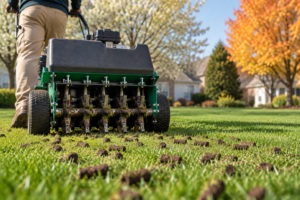
Aeration is a key process in lawn care that involves perforating the soil with holes to allow air, water, and nutrients to penetrate the grassroots. As the ground thaws in spring, consider aerating your lawn if it has become compacted over the winter. Use a core aerator, which removes small plugs of soil, to improve soil structure and reduce compaction. This process helps roots grow deeper and stronger, leading to a healthier lawn. Aeration also promotes better absorption of fertilizers and water.
Fertilize Your Lawn
Spring fertilization provides essential nutrients that help kickstart your lawn’s growth after the winter months. Apply a balanced, slow-release fertilizer to provide your lawn with the nutrients it needs for vigorous growth. Look for a fertilizer with a balanced ratio of nitrogen, phosphorus, and potassium. Follow the application instructions on the product label, and avoid over-fertilizing, which can lead to excessive growth and potential damage.
Reseed and Patch Bare Spots
Over the winter, some areas of your lawn may have developed bare spots or thin patches. Spring is an excellent time to address these issues. Assess your lawn for any bare or thin spots. For areas that need reseeding, choose a grass seed that matches your existing lawn. Prepare the soil by loosening it with a rake and spread the seed evenly. Lightly cover the seed with a thin layer of soil or compost to protect it and aid germination. Keep the area consistently moist until the seeds germinate and the new grass begins to grow.
Summer Lawn Care: Keeping Your Lawn Green and Healthy
Summer brings its own set of challenges for maintaining a healthy lawn. With higher temperatures and longer days, your grass needs extra attention to stay lush and vibrant. Proper summer lawn care helps ensure that your lawn remains healthy, green, and resilient throughout the hottest months. Here’s a detailed guide to keeping your lawn in top shape during the summer.
Adjust Your Watering Routine
As temperatures rise, your lawn’s water needs increase. Adjusting your watering routine is crucial to keep your grass hydrated and healthy. Water your lawn deeply and less frequently to encourage deep root growth. Aim to provide about 1 to 1.5 inches of water per week, either from rainfall or irrigation. Water early in the morning to reduce evaporation and minimize the risk of fungal diseases. Avoid shallow, frequent watering as it can lead to weak root systems and increased vulnerability to heat stress.
Mow Regularly and Adjust Mowing Height
Regular mowing helps maintain a neat appearance and supports the overall health of your lawn. Adjusting the mowing height is particularly important during the summer months. Mow your lawn regularly, but avoid cutting more than one-third of the grass height at a time. Set your mower to a higher cutting height, ideally 3 to 4 inches, to help shade the soil and retain moisture. Taller grass also provides better insulation against the heat and reduces the risk of weed growth.
Fertilize with a Summer-Appropriate Formula
Fertilization supports your lawn’s health and resilience, especially during the heat of summer. Choosing the right type of fertilizer is essential for optimal growth. Use a slow-release, balanced fertilizer designed for summer use. Look for products with a higher ratio of potassium (K) to help your lawn withstand heat and drought stress. Avoid high-nitrogen fertilizers during the summer, as they can promote excessive leaf growth at the expense of root development.
Combat Thatch and Improve Soil Aeration
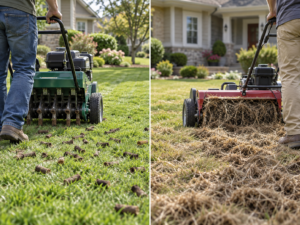
Thatch can build up over time and restrict water and nutrient absorption. Aeration helps alleviate this problem and improves overall lawn health. If you notice a thick layer of thatch (more than half an inch) on your lawn, consider dethatching or aerating. Use a dethatcher or core aerator to remove thatch and improve soil aeration. Aeration involves perforating the soil to allow air, water, and nutrients to penetrate deeper into the root zone.
Control Weeds Effectively
Weeds can compete with your grass for water, nutrients, and sunlight, impacting the overall health of your lawn. Effective weed control is essential for a lush summer lawn. Monitor your lawn for common summer weeds such as crabgrass, dandelions, and clover. Use a combination of pre-emergent and post-emergent herbicides to manage weeds. Apply pre-emergent herbicides early in the season to prevent weed seeds from germinating. For existing weeds, use targeted post-emergent herbicides or manual removal. Be sure to follow the product instructions and avoid applying herbicides on hot, sunny days to prevent damage to the grass.
Creating a Custom Lawn Care Schedule for Your Specific Needs
Creating a tailored lawn care schedule is crucial for maintaining a healthy and vibrant lawn. Every lawn is unique, and understanding your specific needs based on factors like grass type, climate, and soil conditions will help you achieve the best results. Here are the key points for crafting a customized lawn care schedule:
- Assess Your Lawn’s Needs: Start by evaluating your lawn’s specific needs based on its current condition and environmental factors. :Identify the grass type and its growth requirements.
- Determine Local Climate and Seasonal Changes: Climate plays a significant role in determining the best care practices for your lawn. Adapt your schedule to local weather patterns and seasonal changes.
- Create a Fertilization Plan: Fertilization is essential for lawn health, but the timing and type of fertilizer depend on your lawn’s specific needs. Choose fertilizers suited to your grass type and local soil conditions.
- Set Up a Watering Routine: Proper watering is crucial for maintaining a lush lawn, especially during dry or hot periods. Determine the ideal watering frequency and amount based on your lawn’s needs and climate.
Conclusion
Developing a year-round lawn care routine is essential for maintaining a lush, healthy lawn throughout all seasons. By understanding the unique needs of your lawn during each part of the year and following a comprehensive care plan, you can ensure vibrant growth and a beautiful landscape that enhances your property’s appeal. Regular maintenance, proper watering, fertilization, and seasonal adjustments are key to achieving and preserving a stunning lawn.
If you need expert assistance in creating or managing your lawn care routine, Precision Lawn and Landscape is here to help. Located in Manassas, VA, our team of professionals is dedicated to delivering exceptional lawn care services tailored to your needs. Contact us at 703-244-6407 to schedule a consultation or learn more about our offerings. Let us help you achieve the lawn of your dreams!