Efficient irrigation management is one of the most effective ways to maintain a healthy landscape while reducing water waste, lowering utility costs, and protecting long-term property value. Whether you manage a residential lawn, a commercial landscape, or a larger outdoor property, the way water is applied matters just as much as how often it is applied.
Modern water irrigation management combines proven watering practices with smart technology to deliver the right amount of water at the right time. Instead of relying on fixed schedules that may overwater during rainy periods or underwater during hot, dry stretches, smart irrigation systems use data, sensors, weather patterns, and efficient watering techniques to help landscapes thrive with less waste.
Why Irrigation Management Matters for Healthy Landscapes
Water is essential for turf, trees, shrubs, planting beds, and seasonal color, but too much water can be just as damaging as too little. Poor irrigation management often leads to runoff, shallow root growth, fungal issues, soil erosion, and unnecessarily high water bills.
A well-managed irrigation system helps property owners:
- Reduce water waste caused by overwatering
- Lower monthly water costs
- Promote deeper, stronger root systems
- Minimize runoff on slopes and compacted soils
- Improve plant health during dry weather
- Extend the life and performance of irrigation equipment
- Support more sustainable landscape care
Smart water irrigation management is not about watering less at random. It is about watering more precisely.
How Smart Irrigation Systems Improve Water Irrigation Management
Traditional irrigation timers operate on a set schedule, regardless of weather conditions, soil moisture, rainfall, or seasonal changes. A system may continue watering even after a storm or apply the same amount of water in April that it uses during peak summer heat.
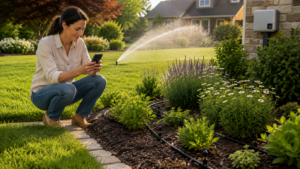
Smart irrigation systems solve this problem by adjusting watering based on real conditions. These systems may use local weather data, rain sensors, soil moisture sensors, flow monitoring, and programmable zones to create a more efficient watering plan.
Key smart irrigation features may include:
- Weather-based controllers that adjust schedules based on temperature, rainfall, humidity, and seasonal conditions
- Soil moisture sensors that detect when the root zone actually needs water
- Rain shutoff sensors that pause irrigation during or after rainfall
- Flow sensors that help detect leaks, broken heads, or unusual water use
- Zone-based programming that waters turf, shrubs, trees, and planting beds according to their specific needs
- Remote access controls that allow system adjustments from a phone, tablet, or computer
These technologies make irrigation management more accurate, responsive, and cost-effective.
Build an Irrigation Management Blueprint Before Watering
Effective irrigation management starts with a plan. Every landscape has different watering needs based on soil type, sun exposure, plant material, slope, drainage, and irrigation system design. A smart watering blueprint helps ensure water is used efficiently while still supporting healthy growth.
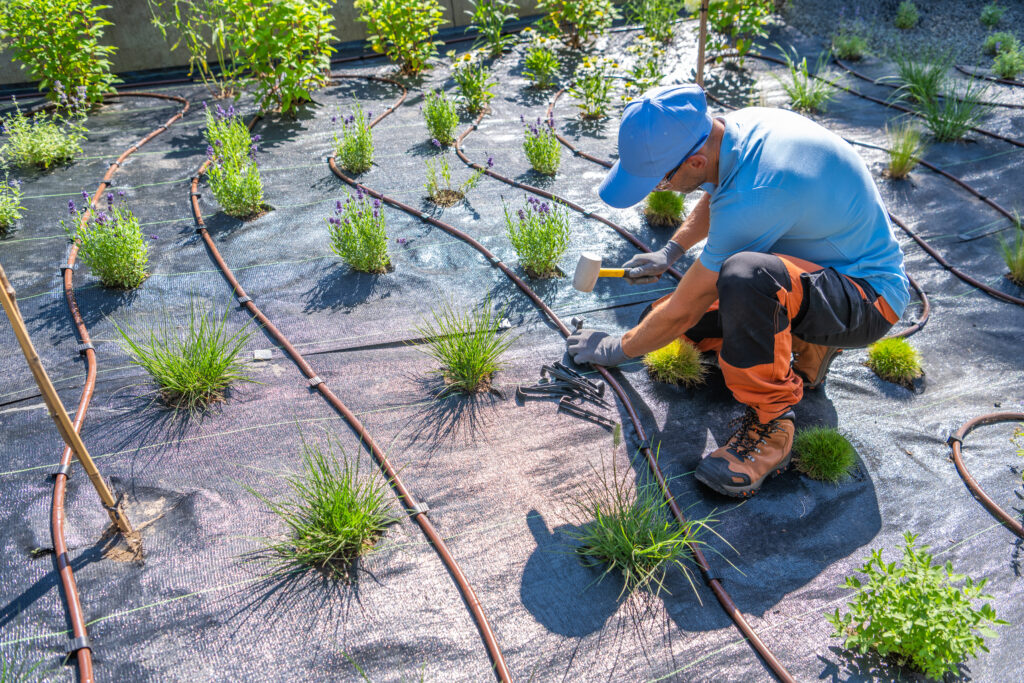
A strong irrigation management plan should account for:
- Landscape zones and plant types
- Soil texture and drainage rate
- Sun and shade exposure
- Local weather patterns
- Root depth and plant maturity
- Sprinkler head type and coverage
- Water pressure and system performance
- Seasonal changes in watering needs
For example, turf areas in full sun usually need different watering than shaded foundation plantings. Sloped lawns may require shorter irrigation cycles to prevent runoff, while compacted or clay-heavy soils may need slower water application to allow moisture to absorb properly.
Use Irrigation Scheduling to Water at the Right Time
Irrigation scheduling is the process of determining when to water and how much water to apply. Instead of guessing, smart water irrigation management uses environmental data and soil conditions to create a more accurate schedule.
One important factor is evapotranspiration, often called ET. ET refers to the amount of water lost from soil and plants through evaporation and plant use. When temperatures rise, winds increase, or humidity drops, landscapes typically lose water faster. When weather is cooler or rainfall is frequent, irrigation demand decreases.
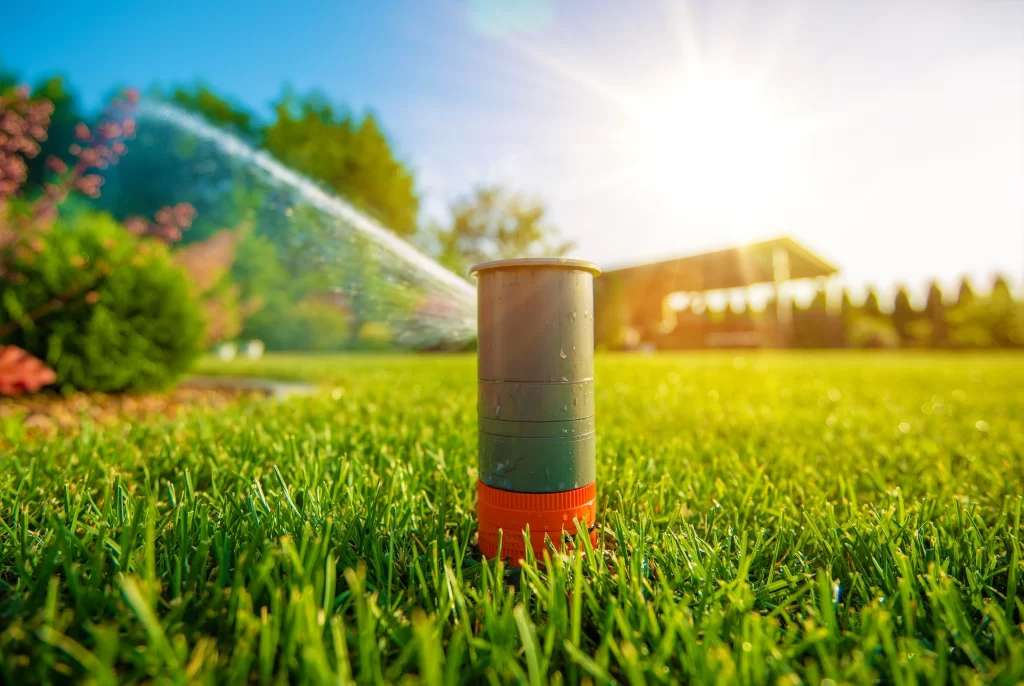
A smart irrigation schedule should consider:
- Current and recent rainfall
- Seasonal temperatures
- Soil moisture depletion in the root zone
- Plant water requirements
- Sprinkler output rate
- Time of day
- Slope and runoff potential
In most cases, early morning is the best time to water. This allows water to soak into the soil before the heat of the day while reducing the risk of fungal problems that can occur when landscapes stay wet overnight.
Monitor Soil Moisture for More Precise Irrigation Management
Soil moisture monitoring is one of the most valuable tools in modern irrigation management. Instead of watering based only on a timer, soil moisture devices help determine whether plants actually need water.
Common soil moisture monitoring tools include:
- Tensiometers, which measure how tightly water is held in the soil
- Electrical resistance blocks, which estimate soil moisture availability
- Capacitance sensors, which track moisture levels in real time
These tools help prevent unnecessary watering when the soil already contains enough moisture. They also help identify dry areas before plants begin to show stress. For residential and commercial properties, this can mean healthier landscapes, fewer brown patches, and more efficient water use.
Apply Cycle and Soak Irrigation to Prevent Runoff
Cycle and soak is a smart irrigation management technique that breaks one long watering cycle into multiple shorter cycles. This is especially helpful for heavy soils, compacted areas, slopes, and landscapes where water tends to run off before it can soak in.
Instead of watering one zone for 30 minutes straight, a cycle and soak schedule may water for 10 minutes, pause to allow absorption, and then repeat. This gives water time to move into the soil and reach the root zone.
Cycle and soak irrigation can help:
- Reduce surface runoff
- Improve water absorption
- Prevent puddling
- Limit erosion
- Encourage deeper root development
- Improve irrigation efficiency on sloped properties
This technique is especially useful in Northern VA, where properties may have mixed soil conditions, grade changes, and established landscapes with varying water needs.
Water Deeply and Infrequently for Stronger Roots
Deep and infrequent watering is another important principle of effective water irrigation management. Light, frequent watering may keep the surface damp, but it often encourages shallow roots. Shallow-rooted lawns and plants are more vulnerable to heat, drought stress, and disease.
Deep watering encourages roots to grow downward where moisture remains available longer. This helps landscapes become more resilient during dry periods and reduces the need for constant irrigation.
A smart irrigation management approach should aim to:
- Water long enough to reach the active root zone
- Avoid daily shallow watering unless newly seeded or newly planted areas require it
- Adjust watering frequency based on season and weather
- Check soil moisture before adding more water
- Use zone-specific settings for turf, shrubs, trees, and beds
The goal is to develop stronger, healthier landscapes that can better handle changing weather conditions.
Inspect and Maintain Irrigation Systems Regularly
Even the smartest irrigation controller cannot fully prevent waste if the system itself has problems. Broken sprinkler heads, clogged nozzles, misaligned spray patterns, leaking valves, and poor water pressure can all waste water and increase costs.
Routine irrigation inspections should check for:
- Leaking sprinkler heads or valves
- Overspray onto sidewalks, driveways, and roads
- Uneven coverage
- Low or excessive water pressure
- Damaged drip lines
- Controller programming issues
- Clogged nozzles
- Broken pipes
- Backflow prevention concerns
Professional irrigation maintenance helps ensure every part of the system works as intended. It also helps catch small issues before they become costly repairs.
Reduce Costs With Smarter Water Irrigation Management
Smart irrigation management can reduce costs in several ways. Lower water usage is the most obvious benefit, but a well-managed system can also reduce plant replacement costs, minimize erosion problems, prevent landscape decline, and extend the life of irrigation equipment.
Property owners may save money by:
- Avoiding unnecessary watering after rain
- Preventing leaks from going unnoticed
- Reducing runoff and wasted water
- Improving system efficiency by zone
- Protecting turf and plants from stress
- Reducing emergency irrigation repairs
- Extending equipment lifespan through regular service
For commercial properties, smart irrigation can also support a more professional appearance while helping control operating expenses. For homeowners, it can keep lawns and landscapes healthier without wasting water or overspending on utilities.
Professional Irrigation Management for Residential and Commercial Properties
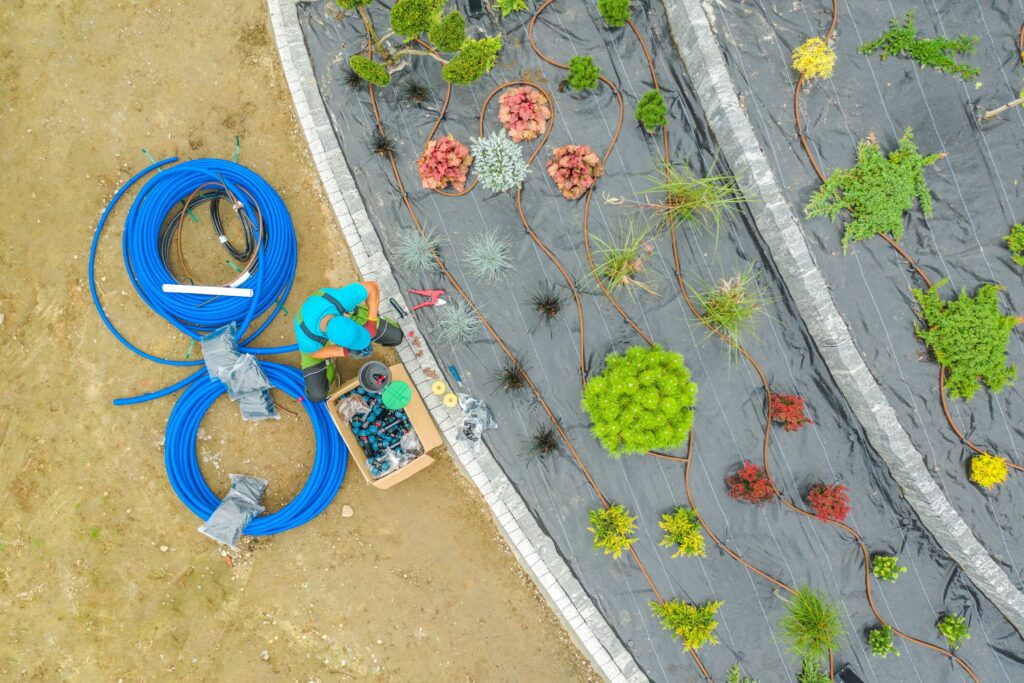
While smart controllers and sensors are powerful tools, proper design, installation, programming, and maintenance are essential. A poorly designed system can still waste water, even with advanced technology. Sprinkler placement, water pressure, nozzle selection, zone layout, and controller setup all play a role in efficient water irrigation management.
Professional irrigation services help ensure the system is designed around the property’s actual needs. This includes evaluating soil, sun exposure, drainage, plant types, slope, and water distribution so each zone receives the right amount of water without unnecessary waste.
About Precision Lawn & Landscape
Precision Lawn & Landscape provides comprehensive irrigation services for residential and commercial properties throughout Northern VA. Our team helps property owners improve irrigation management with reliable solutions designed to support healthy landscapes, reduce water waste, and keep irrigation systems operating efficiently through every season.
Our irrigation services include Irrigation Installation, Irrigation Winterization, Irrigation Startup, Irrigation Backflow Testing, and Irrigation Repairs. Whether you need a new system installed, seasonal service, troubleshooting, or repairs for an existing system, Precision Lawn & Landscape offers the professional support needed to keep your landscape properly watered and protected.
We also make it easier to invest in your property by offering financing options through HFS home improvement loans. These financing options can help homeowners move forward with irrigation upgrades, landscape improvements, and other outdoor projects while managing costs in a more flexible way.

Improve Irrigation Management With Precision Lawn & Landscape
Smart irrigation management is one of the best ways to reduce water waste, lower costs, and maintain a healthier landscape. With the right system design, proper scheduling, soil moisture monitoring, cycle and soak techniques, deep watering practices, and routine maintenance, your irrigation system can work more efficiently and deliver better results.
If you are ready to improve water irrigation management for your home or commercial property in Northern VA, contact Precision Lawn & Landscape today. Reach out to our team to request a free quote and learn how our irrigation services can help you save water, reduce waste, and keep your landscape looking its best.
FAQs
Irrigation management is the process of planning, scheduling, monitoring, and maintaining how water is applied to a landscape. Good irrigation management helps ensure lawns, trees, shrubs, and planting beds receive enough water without wasting it through runoff, leaks, or overwatering.
Early morning is usually the best time to run an irrigation system because temperatures are cooler and winds are typically lighter. This gives water time to soak into the soil before the heat of the day while reducing evaporation and the risk of overnight moisture-related lawn problems.
Watering frequency depends on soil type, grass type, weather, sun exposure, and the condition of your irrigation system. In many cases, deep and infrequent watering is better than light daily watering because it encourages stronger, deeper root growth.
Yes, smart irrigation can help lower water bills by reducing overwatering, preventing unnecessary watering after rain, and identifying possible system issues like leaks or broken heads. The amount saved depends on the size of the property, current water use, and how efficiently the system is installed and programmed.