The Ultimate Guide to Lawn Insect Control”! In this comprehensive resource, we delve into the world of lawn care to equip you with the knowledge and strategies necessary to combat pesky insects that threaten the health and vitality of your lawn. From the common culprits like grubs and chinch bugs to the lesser-known invaders such as armyworms and sod webworms, we’ll explore their behaviors, habitats, and the damage they can inflict on your grass. But fear not, as this guide is your roadmap to effective insect control. We’ll discuss a range of methods, including cultural practices like proper mowing and watering techniques, as well as organic and chemical insecticides. Understanding the life cycles of these insects is key to implementing targeted control measures, and we’ll provide you with the insight you need to disrupt their reproductive cycles and halt infestations in their tracks. Whether you’re a seasoned lawn enthusiast or a newcomer to the world of turf management, this guide will empower you to reclaim your lawn from unwanted pests and ensure it thrives for years to come.
Identifying Common Lawn Insects
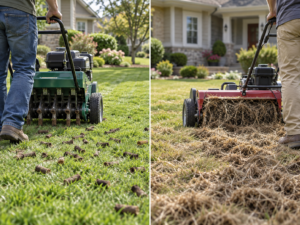
Recognizing the signs of infestation by common lawn insects is crucial for effective control. Grubs, for example, often manifest as patches of brown, dying grass that detach easily from the soil. Chinch bugs leave behind yellow or brown patches, while armyworms and sod webworms may cause irregularly shaped areas of grass to wilt or die. By understanding these distinct symptoms, homeowners can promptly address infestations before they spread and cause extensive damage to the lawn. Early detection also allows for targeted control measures to be implemented, minimizing the need for widespread pesticide application and reducing environmental impact.
Understanding Insect Life Cycles
Delving into the life cycles of lawn insects provides valuable insights into their behavior and vulnerabilities. By understanding the stages of development, from egg to larva to adult, homeowners can anticipate peak activity periods and implement control measures at strategic times. For instance, targeting eggs or newly hatched larvae can disrupt the reproductive process and prevent future generations from emerging. Moreover, understanding the environmental conditions conducive to each stage of the life cycle enables homeowners to modify their lawn care practices to create less hospitable conditions for pests. This holistic approach to insect control not only enhances effectiveness but also minimizes reliance on chemical interventions.
Cultural Practices for Prevention
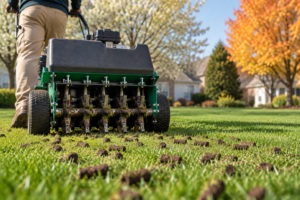
Proper lawn maintenance techniques play a pivotal role in preventing insect infestations. Regular mowing at the appropriate height helps promote a healthy, dense turf that is more resilient to pests. Adequate watering, done deeply and infrequently, encourages deep root growth and discourages surface-dwelling insects. Additionally, core aeration relieves soil compaction, improves drainage, and enhances root health, creating an environment less favorable to pests. By adopting these cultural practices, homeowners can proactively fortify their lawns against insect infestations while simultaneously promoting overall turf health and vigor. This preventive approach reduces the need for reactive pest control measures and fosters sustainable lawn care practices.
Organic Insect Control Methods
For those seeking environmentally friendly alternatives to chemical insecticides, organic control methods offer effective solutions. Beneficial nematodes, microscopic organisms that prey on lawn pests like grubs and larvae, can be applied to the soil to naturally suppress insect populations. Insecticidal soaps, made from natural plant oils, disrupt the cell membranes of pests upon contact, effectively killing them without leaving harmful residues in the environment. Additionally, botanical insecticides derived from plants like neem or pyrethrum provide effective control while minimizing harm to beneficial insects and non-target organisms. Embracing these organic alternatives not only reduces chemical exposure but also promotes biodiversity and ecological balance within the lawn ecosystem.
Chemical Insecticides
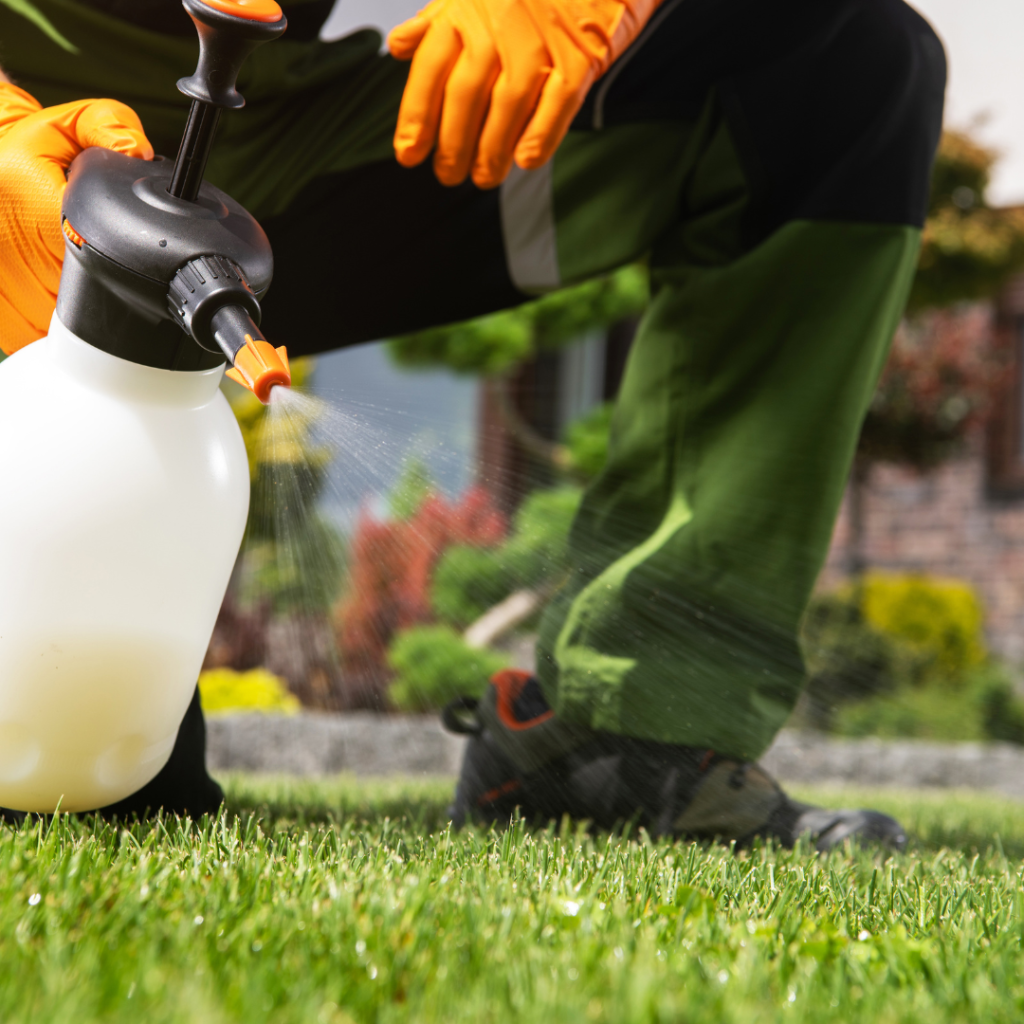
Chemical insecticides are a powerful tool in the arsenal against lawn pests, but their use requires careful consideration of effectiveness and safety. Selecting the appropriate pesticide depends on factors such as the target pest, application method, and environmental considerations. Systemic insecticides, which are absorbed by the plant and ingested by feeding insects, offer long-lasting control but may pose risks to beneficial insects and wildlife. Contact insecticides, on the other hand, provide immediate knockdown of pests but may require repeated applications for sustained control. It’s essential to follow label instructions diligently, apply pesticides judiciously, and consider non-chemical alternatives whenever feasible to minimize environmental impact and safeguard human health.
Integrated Pest Management (IPM) Strategies
Integrated Pest Management (IPM) is a comprehensive approach to pest control that emphasizes prevention, monitoring, and intervention. By integrating cultural practices, biological controls, and targeted chemical interventions, IPM aims to minimize pest damage while reducing reliance on synthetic pesticides.
- Identify Pest Thresholds: Establish thresholds for pest populations, beyond which action is necessary to prevent damage.
- Cultural Practices: Implement lawn care practices such as proper mowing, watering, and aeration to create an environment less conducive to pest development.
- Biological Controls: Introduce natural predators or parasites to suppress pest populations, such as beneficial nematodes or predatory insects.
- Chemical Interventions: Use pesticides judiciously and selectively, targeting specific pests while minimizing harm to beneficial organisms and the environment.
By adopting an Integrated Pest Management approach, homeowners can effectively manage lawn pests while promoting environmental sustainability and long-term turf health.
Monitoring and Maintenance
Regular monitoring and maintenance are essential for preserving the health and vitality of your lawn while preventing insect infestations. Establishing a routine for inspection and upkeep allows for early detection of pest problems and prompt intervention.
- Visual Inspection: Regularly inspect your lawn for signs of pest activity, such as damaged grass, chewed leaves, or insect sightings.
- Soil Testing: Conduct periodic soil tests to assess nutrient levels and pH balance, ensuring optimal conditions for turf growth and resilience against pests.
- Implement Preventive Measures: Proactively address potential pest vulnerabilities through cultural practices like proper watering, fertilization, and aeration.
- Record Keeping: Maintain a log of pest observations, treatment applications, and lawn care practices to track trends and inform future management decisions.
By incorporating monitoring and maintenance into your lawn care routine, you can stay ahead of pest problems and cultivate a lush, pest-resistant lawn for years to come.
Conclusion
Armed with the knowledge and strategies provided in The Ultimate Guide to Lawn Insect Control,homeowners can confidently tackle pest infestations and safeguard the health of their lawns. By identifying common lawn insects, understanding their life cycles, and implementing a combination of cultural practices, organic methods, and targeted chemical interventions, individuals can effectively manage pests while promoting a thriving turf ecosystem. Additionally, adopting an Integrated Pest Management approach and establishing a routine for monitoring and maintenance allows for proactive pest management and long-term sustainability. For expert assistance and personalized advice tailored to your lawn’s specific needs, don’t hesitate to reach out to Precision Lawn and Landscape in Manassas, VA, at 703-244-64078. Our team is dedicated to helping you achieve a lush, pest-free lawn that enhances the beauty and value of your property.