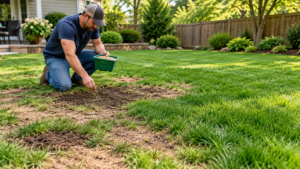
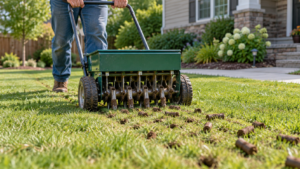
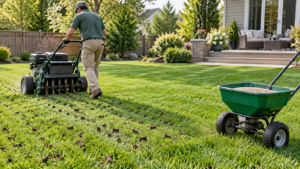
Summer lawn maintenance in Northern VA requires a careful balance of mowing, watering, weed control, pest prevention, and seasonal timing. Because Northern Virginia sits in the transition zone, local lawns often face a unique challenge: cool-season grasses such as tall fescue struggle through July and August heat, while warm-season grasses such as Bermuda and Zoysia thrive in the same conditions.
For homeowners, this means summer lawn care is not one-size-fits-all. The best approach depends on your grass type, soil conditions, watering habits, and how well your lawn is protected from heat stress, drought, weeds, and pests. With the right lawn maintenance tips for summer, you can help your yard stay healthier, greener, and more resilient throughout the hottest months of the year.
Why Summer Lawn Maintenance Matters in Northern VA
Northern Virginia summers can be tough on residential lawns. High humidity, intense sun, heavy clay soil, sudden thunderstorms, and extended dry spells can all affect turf health. Lawns that look lush in spring may begin to thin, brown, or develop disease problems by mid-summer if they are not maintained properly.
A strong summer lawn maintenance plan helps:
- Reduce heat and drought stress
- Encourage deeper root growth
- Limit weed competition
- Prevent fungal disease
- Protect grass from insect damage
- Improve long-term turf density
- Maintain curb appeal through peak growing season
The key is understanding what your lawn needs during summer and, just as importantly, what it does not need.
Start With Your Grass Type Before Creating a Summer Lawn Care Plan
One of the most important lawn maintenance tips for summer is to identify your grass type before making seasonal care decisions. Northern VA lawns are commonly planted with tall fescue, but some properties also feature Bermuda, Zoysia, or mixed turf areas.
Tall Fescue Lawns
Tall fescue is one of the most common lawn grasses in Northern Virginia. As a cool-season grass, it grows most actively during spring and fall. During the hottest parts of summer, especially in July and August, tall fescue often slows down and may enter a semi-dormant state.
For tall fescue lawns, summer care should focus on protection rather than aggressive growth. Avoid heavy fertilization during peak summer heat, because forcing new growth can stress the roots and increase the risk of lawn disease, including brown patch fungus.
Bermuda and Zoysia Lawns
Bermuda and Zoysia are warm-season grasses, which means they perform best during hot weather. Summer is their active growing season, so they can usually tolerate more frequent mowing and may benefit from light seasonal fertilization when applied correctly.
These grasses still require proper watering, mowing, and weed control, but their summer needs differ from tall fescue. Treating every lawn the same way can lead to unnecessary stress, poor growth, or wasted maintenance efforts.
Summer Lawn Maintenance Tips for Mowing
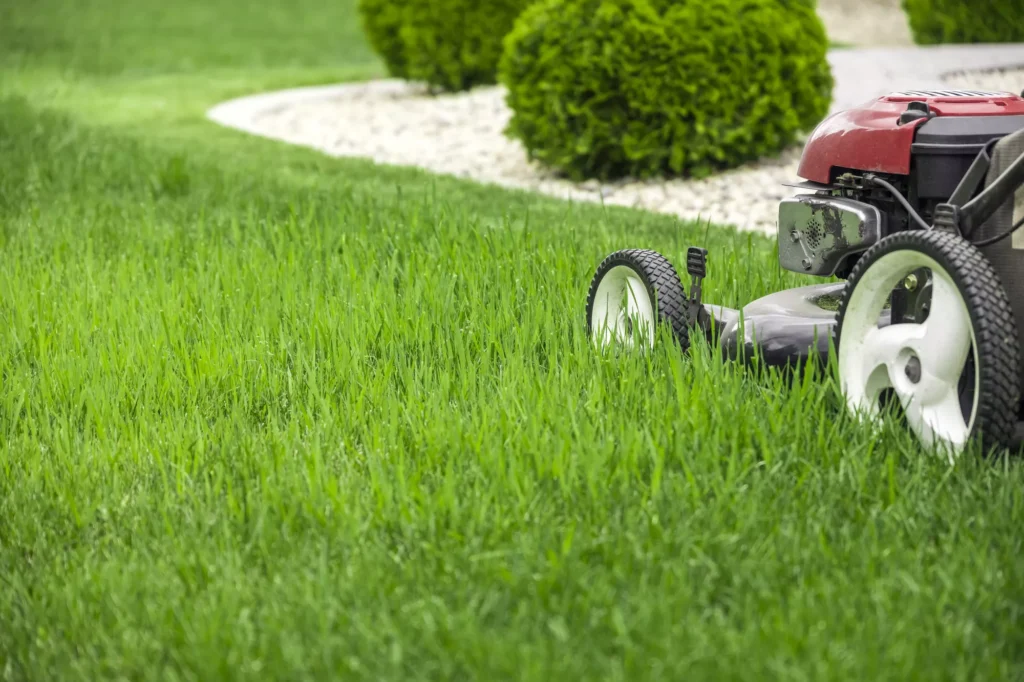
Mowing is one of the most visible parts of summer lawn maintenance, but it is also one of the easiest tasks to get wrong. Cutting grass too short can expose the soil to heat, weaken roots, and make it easier for weeds to take over.
Raise the Mower Height for Tall Fescue
For tall fescue lawns in Northern VA, raise your mowing height to about 3.5 to 4 inches during summer. Taller grass blades help shade the soil, keep root zones cooler, and reduce moisture loss. This also helps block sunlight from reaching weed seeds, including crabgrass.
Mow Bermuda Grass Lower but More Often
Bermuda grass should generally be maintained shorter, often around 1.5 to 2 inches. However, it should be mowed frequently enough that you are never removing too much of the blade at once.
Follow the One-Third Rule
A reliable rule for summer lawn maintenance is to never remove more than one-third of the grass blade during a single mowing. Cutting too much at once shocks the lawn and can leave it more vulnerable to heat damage.
Leave Grass Clippings on the Lawn
Grass clippings can be beneficial when they are short and evenly distributed. Leaving clippings on the lawn helps return nutrients to the soil and can support moisture retention during dry summer weather.
Smart Watering Tips for Northern Virginia Lawns
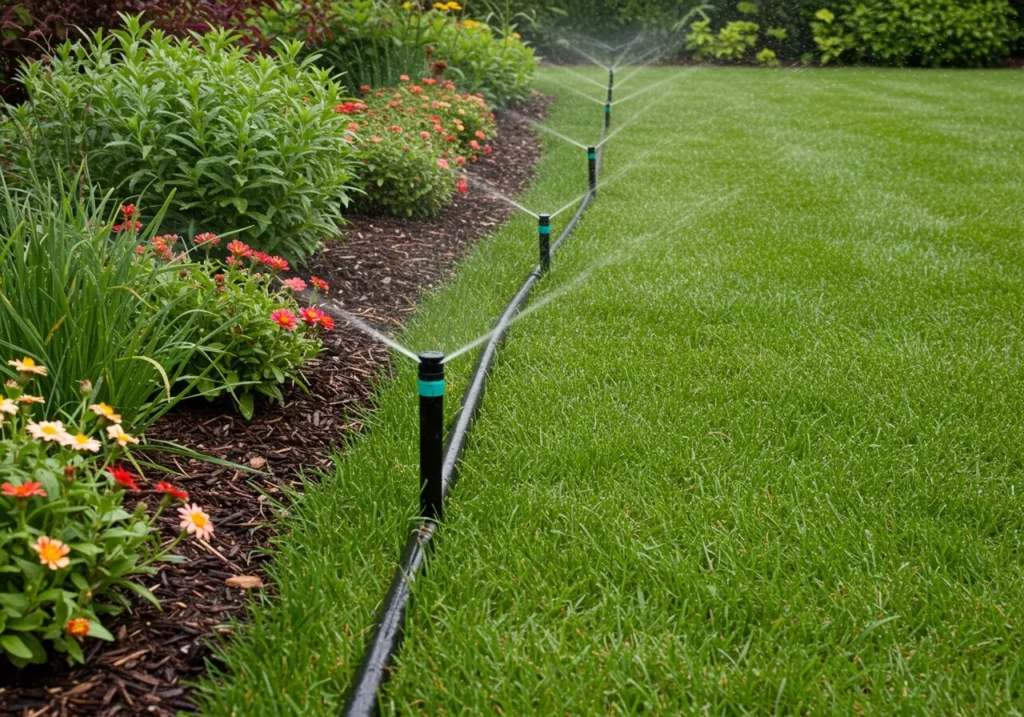
Watering is one of the most important lawn maintenance tips for summer, especially in Northern VA where clay-heavy soils can make irrigation more complicated. Clay soil absorbs water slowly and compacts easily, which means long watering sessions may lead to runoff instead of deep root hydration.
Use the Cycle-and-Soak Method
Instead of watering for one long session, use a cycle-and-soak approach. For example, water for 15 minutes, pause for about an hour, and then water again for another 15 minutes. This gives the soil more time to absorb moisture and reduces runoff.
Water Early in the Morning
The best time to water your lawn in summer is early morning, ideally between 4 a.m. and 8 a.m. Watering during this window gives moisture time to soak into the soil before the heat of the day. It also allows the grass blades to dry more quickly, which helps reduce the risk of fungal disease.
Avoid evening watering whenever possible. When grass stays wet overnight, humid summer conditions can create an ideal environment for lawn disease.
Aim for Deep, Infrequent Watering
Most lawns benefit from about 1 inch of water per week, including rainfall. The goal is to soak the soil several inches deep so roots grow downward instead of staying shallow. Deep roots help lawns handle dry spells and summer heat more effectively.
Avoid Summer Fertilization Mistakes
Fertilization can help lawns grow, but timing matters. One of the biggest summer lawn maintenance mistakes homeowners make is applying fertilizer at the wrong time or using the wrong product for their grass type.
For tall fescue lawns, avoid heavy nitrogen fertilizer during peak summer heat. Fertilizing cool-season grass in July or August can encourage weak top growth while placing additional stress on the root system. It can also increase the risk of fungal problems.
Warm-season grasses such as Bermuda and Zoysia may benefit from light summer fertilization because they are actively growing during hot weather. However, fertilizer should still be applied carefully, based on turf needs, soil conditions, and product instructions.
When in doubt, a soil test can provide valuable insight into pH levels and nutrient deficiencies. Local homeowners in Fairfax, Loudoun, Prince William, and surrounding Northern VA communities can use soil testing resources to better understand what their lawn actually needs.
Weed Control During Summer Lawn Maintenance
Summer weeds can spread quickly, especially when grass is stressed, thin, or mowed too short. Crabgrass, nutsedge, clover, spurge, and broadleaf weeds often become more noticeable during hot weather.
However, summer is not always the best time for aggressive weed control. Applying blanket herbicide treatments during extreme heat can damage already stressed turf.
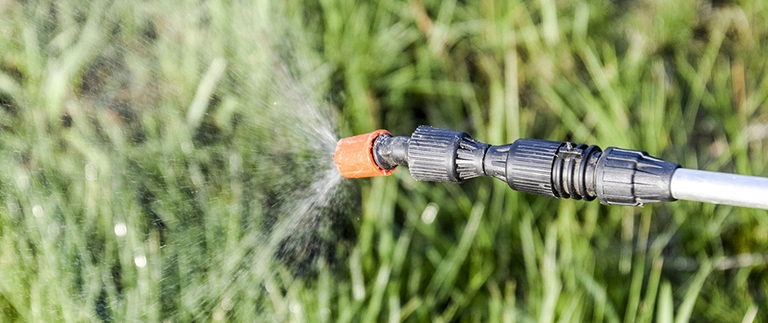
Helpful lawn maintenance tips for summer weed control include:
- Spot-treat weeds instead of applying full-lawn treatments during hot weather
- Avoid weed-and-feed products when temperatures are above 85 degrees
- Treat weeds on cooler days when the lawn is not drought-stressed
- Keep grass mowed at the proper height to shade the soil
- Improve turf density to naturally reduce weed pressure
- Address bare spots before weeds have a chance to spread
A healthy, dense lawn is one of the best defenses against summer weeds.
Watch for Grubs and Summer Lawn Pests
Grubs can cause major lawn damage in Northern VA. These beetle larvae feed on grass roots, often creating brown patches that may appear in late summer or early fall. In severe cases, damaged turf can lift away from the soil because the roots have been eaten.
Preventative grub control is typically most effective when applied between June and late July, before larvae cause extensive damage. Waiting until brown patches appear may require a more corrective approach.
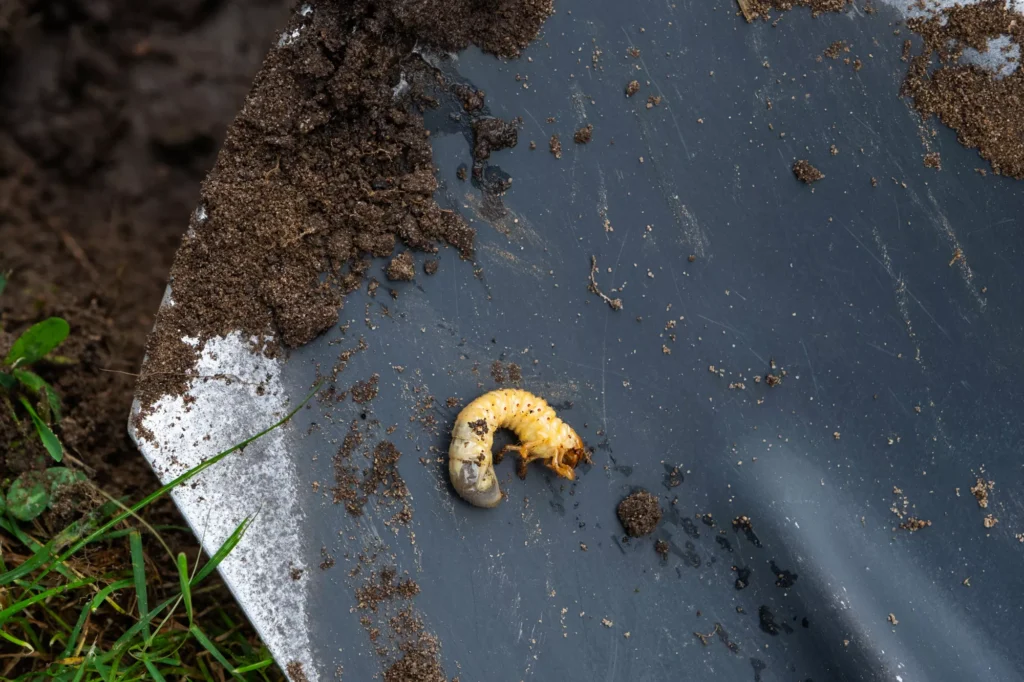
Other summer lawn pests may include chinch bugs, sod webworms, armyworms, and mites, depending on the property and turf conditions. Signs of pest damage can include:
- Irregular brown or thinning patches
- Grass that pulls up easily
- Increased bird or animal activity in the lawn
- Wilting despite proper watering
- Chewed or damaged grass blades
Professional lawn inspections can help determine whether the issue is pests, drought stress, disease, soil compaction, or a combination of factors.
Prevent Common Summer Lawn Diseases
Northern VA’s summer humidity can create ideal conditions for lawn disease, especially in tall fescue. Brown patch is one of the most common issues during hot, humid weather. It often appears as circular or irregular brown areas and may spread quickly when conditions are favorable.
To reduce the risk of summer lawn disease:
- Water early in the morning
- Avoid watering at night
- Do not overfertilize cool-season grass in summer
- Mow with sharp blades
- Avoid cutting grass too short
- Improve airflow where possible
- Reduce excessive thatch buildup
- Avoid heavy foot traffic on stressed turf
Many summer lawn problems look similar at first glance, so proper diagnosis is important before applying treatments.
Manage Compacted Clay Soil
Heavy clay soil is common throughout Northern Virginia. While clay can hold nutrients well, it also compacts easily and drains slowly. Compaction limits oxygen movement, restricts root growth, and can make it harder for water to reach the root zone.
During summer, compacted lawns may show signs of stress more quickly than lawns with healthier soil structure. While major aeration is often best performed in fall for cool-season lawns, summer maintenance should still focus on reducing stress.
Helpful steps include:
- Avoid heavy traffic on wet soil
- Water slowly to reduce runoff
- Do not mow when the lawn is saturated
- Keep mower blades sharp to reduce turf injury
- Plan for fall aeration and overseeding if the lawn is thin or compacted
For many Northern VA homeowners, fall aeration and seeding are essential follow-up services after a stressful summer season.
Adjust Lawn Maintenance During Drought and Heat Waves
When temperatures climb and rainfall is limited, your lawn may naturally slow its growth. This is especially common with tall fescue. Some browning during extreme summer conditions does not always mean the lawn is dead. In many cases, the turf is conserving energy.
During periods of drought or extreme heat:
- Reduce mowing frequency when growth slows
- Keep mower height higher for tall fescue
- Avoid fertilizing stressed cool-season lawns
- Limit foot traffic on dry or brittle grass
- Water deeply if local restrictions allow
- Check local watering guidelines or conservation schedules
Trying to force a cool-season lawn to look spring-green during a hot Northern VA summer can do more harm than good. The better goal is to protect the crown and roots so the lawn can recover when cooler weather returns.
Seasonal Lawn Maintenance Checklist for Northern VA Homeowners
A simple checklist can help homeowners stay consistent throughout the summer.
Early Summer
- Identify your grass type
- Adjust mower height
- Begin deep, early-morning watering
- Monitor for weeds
- Apply preventative grub control if appropriate
- Avoid unnecessary stress on cool-season lawns
Mid-Summer
- Watch for brown patch and other fungal issues
- Spot-treat weeds only when conditions are safe
- Continue cycle-and-soak watering
- Avoid heavy fertilizer on tall fescue
- Mow based on growth rate, not a fixed schedule
- Check for drought stress and pest activity
Late Summer
- Evaluate thin or damaged areas
- Plan for fall aeration and overseeding
- Continue smart watering during dry weather
- Look for grub damage
- Prepare the lawn for recovery as temperatures cool
Professional Summer Lawn Maintenance for Better Results
While homeowners can handle many basic lawn care tasks, summer lawn maintenance in Northern VA often requires experience, timing, and a clear understanding of local turf conditions. The wrong treatment at the wrong time can damage grass, encourage disease, or make an existing problem worse.
Professional lawn care can help protect your investment by providing the right services at the right time. From mowing and weed control to pest prevention and seasonal maintenance, expert care can make a major difference in how your lawn performs through the summer and how well it recovers in the fall.
About Precision Lawn & Landscape
Precision Lawn & Landscape provides comprehensive lawn care and lawn maintenance services for residential and commercial properties throughout Northern VA. Our team understands the unique challenges of maintaining lawns in this region, including transition-zone grass types, summer heat stress, clay soil, weed pressure, pest issues, and seasonal turf disease.
We offer professionally managed services designed to keep properties healthy, attractive, and well-maintained throughout the year. Whether you need routine lawn maintenance, seasonal lawn care, mowing, landscape care, or a customized maintenance plan for your home or business, Precision Lawn & Landscape is here to help. We also offer financing options through HFS home improvement loans, making it easier for property owners to invest in the outdoor improvements and maintenance services they need.

Contact Precision Lawn & Landscape for Summer Lawn Maintenance in Northern VA
A healthy summer lawn starts with the right plan. By mowing properly, watering deeply, managing weeds carefully, preventing pests, and adjusting your maintenance routine to your grass type, you can help your lawn stay stronger through the toughest months of the year.
If you are looking for professionally managed summer lawn maintenance in Northern VA, contact Precision Lawn & Landscape today. Our team provides reliable lawn care and lawn maintenance services for homeowners and businesses throughout the region, and we would be happy to provide a free quote for your property.
FAQs
Most lawns need about 1 inch of water per week, including rainfall. In Northern Virginia’s clay-heavy soil, it is usually better to water deeply and less frequently using a cycle-and-soak method instead of watering for one long session.
Your mowing schedule should depend on how quickly your grass is growing rather than a fixed weekly routine. During active growth, regular mowing helps maintain a clean appearance, but you should avoid cutting off too much grass at one time.
Common signs of lawn pests include brown patches, thinning grass, turf that pulls up easily, or increased animal activity in the yard. Because pest damage can look similar to drought or disease, a professional inspection can help confirm the issue.
Proper watering, mowing, and fertilization can help reduce the risk of summer lawn disease. Avoid watering late in the evening, keep mower blades sharp, and do not overfertilize during hot and humid weather.