In the realm of gardening, there’s an often overlooked but critical aspect: irrigation. The art and science of watering your garden can make the difference between lush, thriving plants and withered, struggling ones. Mastering irrigation is about more than just turning on a hose or setting up a sprinkler system; it’s about understanding the unique water needs of different plants, optimizing water usage for efficiency and sustainability, and ensuring that your garden gets the right amount of moisture at the right times. In this blog series, we delve deep into the principles of irrigation, offering insights, tips, and strategies to help you cultivate healthy, vibrant gardens through watering wisdom.
Understanding Plant Water Needs: The Key to Effective Irrigation
Ensuring the health and vitality of your garden begins with a deep comprehension of your plants’ water requirements. Different species and varieties have distinct hydration needs, influenced by factors such as climate, soil type, and stage of growth. By understanding these nuances, you can tailor your irrigation practices to provide just the right amount of moisture, avoiding the pitfalls of both under- and overwatering. This knowledge empowers you to adjust your watering schedule accordingly, optimizing plant health and minimizing water waste, ultimately leading to a flourishing garden ecosystem sustained by the precise balance of hydration.
Choosing the Right Irrigation System for Your Garden
Selecting the right irrigation system for your garden is crucial to ensure optimal plant health while conserving water resources. With various options available, it’s essential to consider factors such as garden layout, plant types, and water efficiency goals to make an informed decision. Whether you opt for traditional sprinkler systems or modern drip irrigation setups, each has its advantages and considerations. Here’s a breakdown to guide you through the process:
- Consider Garden Layout: Assess the size, shape, and terrain of your garden to determine the most suitable irrigation system.
- Evaluate Plant Types: Different plants have varying water needs; choose a system that can deliver water efficiently to meet these requirements.
- Assess Water Efficiency Goals: Determine your water conservation objectives and select a system that aligns with these goals.
- Compare System Types: Research and compare different irrigation systems, including sprinklers, drip irrigation, soaker hoses, and more, to find the best fit for your garden.
- Consult with Professionals: Seek advice from irrigation experts or landscapers to ensure you choose the most effective and efficient system for your specific needs.
By carefully considering factors such as garden layout, plant types, water efficiency goals, and consulting with professionals, you can confidently select the right irrigation system to keep your garden flourishing while conserving water resources.
Seasonal Watering Strategies: Adapting to Nature’s Rhythms
Nature operates on a cyclical rhythm, and your garden’s irrigation practices should align harmoniously with these seasonal fluctuations. During periods of intense heat or drought, plants may require more frequent watering to sustain optimal growth and health. Conversely, in cooler or wetter seasons, it’s essential to adjust irrigation frequency and duration to prevent waterlogging and potential root rot. By staying attuned to nature’s cues and adjusting your watering regimen accordingly, you can provide tailored care that nurtures your garden through every stage of the annual cycle, promoting resilience and vitality year-round.
Efficient Watering Techniques: Maximizing Moisture while Minimizing Waste
Efficiency lies at the heart of sustainable irrigation practices, where every drop of water is utilized to its fullest potential. Adopting techniques such as mulching, which helps retain soil moisture and suppress weed growth, can significantly reduce the need for supplemental watering. Additionally, timing irrigation sessions to coincide with periods of low evaporation, such as early morning or late evening, can further optimize water retention in the soil. By employing these strategies alongside proper maintenance of irrigation equipment to prevent leaks and inefficiencies, you can minimize water waste while ensuring that your garden receives the hydration it needs to thrive.
Troubleshooting Common Irrigation Issues: From Overwatering to Underwatering
Despite your best intentions, irrigation mishaps can occur, leading to issues ranging from waterlogged soil to parched plants. Understanding the signs of overwatering, such as wilting leaves and yellowing foliage, versus underwatering, characterized by dry, brittle foliage and soil, is crucial for prompt intervention. Adjusting irrigation schedules, improving drainage, and refining watering techniques are all potential remedies to restore balance and mitigate damage. By promptly addressing these common irrigation challenges with informed solutions, you can safeguard your garden’s health and vitality, fostering optimal growth and resilience in your plantings.
Sustainable Irrigation Practices: Conserving Water for a Greener Garden
In today’s era of environmental consciousness, sustainable irrigation practices are paramount for maintaining a healthy garden while minimizing water usage and environmental impact. By adopting water-saving techniques and technologies, gardeners can conserve precious resources and promote ecological balance. Sustainable irrigation practices not only benefit the environment but also contribute to the long-term health and resilience of gardens, fostering lush, vibrant landscapes that thrive even in challenging conditions.
- Rainwater Harvesting: Collecting and storing rainwater for later use in irrigation reduces reliance on municipal water supplies and minimizes runoff.
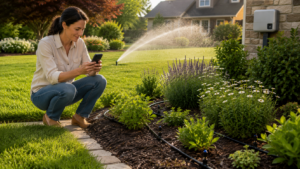
- Drip Irrigation: Delivering water directly to the base of plants reduces evaporation and ensures efficient water distribution.
- Smart Irrigation Controllers: Utilizing technology to adjust irrigation schedules based on weather forecasts and soil moisture levels maximizes water efficiency.
- Xeriscaping: Designing landscapes with drought-tolerant plants and water-efficient features minimizes water demand and maintenance requirements.
- Soil Moisture Monitoring: Regularly assessing soil moisture levels helps optimize irrigation schedules and prevent overwatering.
Incorporating these sustainable irrigation practices into your gardening routine not only conserves water but also promotes a greener, more eco-friendly approach to landscaping. By taking proactive steps to minimize water waste and maximize efficiency, gardeners can contribute to a healthier planet while enjoying beautiful, thriving gardens for years to come.
Conclusion
In conclusion, mastering irrigation is not merely about watering your garden; it’s about understanding the intricate balance of water needs, choosing the right systems, adapting to seasonal changes, and troubleshooting common issues. By implementing efficient and sustainable irrigation practices, you can nurture a garden that thrives while conserving water resources and minimizing environmental impact. Take the first step towards achieving a healthier, more vibrant garden by applying the insights and techniques shared in this blog series. For professional assistance in transforming your landscape with precision and care, contact Precision Lawn and Landscape at 8193a Euclid Ct, Manassas Park, VA 20111 or call 703-244-64078. Let’s work together to create a greener future, one garden at a time.