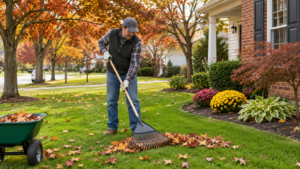
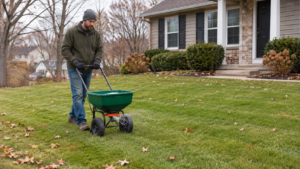
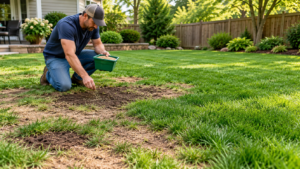
Fall is one of the most important times of the year for maintaining a healthy, attractive lawn in Northern Virginia. As summer temperatures begin to drop and cooler weather arrives, homeowners have an opportunity to repair seasonal damage, strengthen grass roots, and prepare their lawns for the challenges of winter. However, successful fall lawn care requires more than simply raking leaves and mowing the grass. Following the right seasonal maintenance practices can make a significant difference in how your lawn looks and performs the following spring.
Whether you live in Woodbridge, Manassas, Fairfax, Gainesville, or another Northern Virginia community, understanding your lawn’s seasonal needs is essential. This comprehensive fall lawn care guide covers everything from aeration and overseeding to fertilization, leaf removal, and winter preparation, helping you maintain healthier grass throughout the changing seasons.
Fall Lawn Care Guide: Essential Steps for a Healthy Lawn
Maintaining a healthy lawn throughout autumn involves several important tasks that work together to improve soil conditions, strengthen grass, and prevent seasonal damage. The following fall lawn care tips will help Northern Virginia homeowners make the most of the cooler growing season.
1. Continue Mowing Your Lawn Throughout the Fall
One of the most common lawn maintenance mistakes homeowners make is stopping their mowing routine too early. Although grass growth begins to slow as temperatures drop, cool-season varieties can remain active well into autumn.
Continue mowing your lawn as needed until grass growth naturally slows or stops. Maintaining an appropriate height helps protect the grass while preventing excessive growth that could contribute to matting and disease during wet conditions.
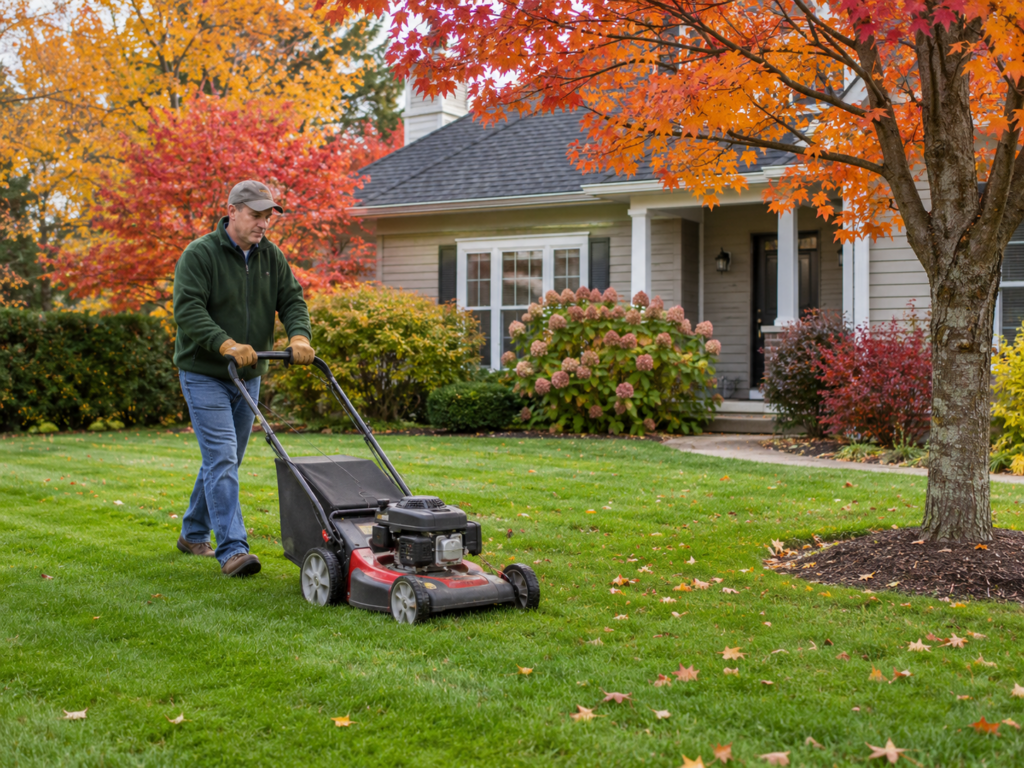
Consider these fall mowing practices:
- Maintain a mowing height of approximately 3 to 4 inches for most established tall fescue lawns, adjusting for the grass variety and conditions.
- Avoid cutting more than one-third of the grass blade during a single mowing session.
- Keep mower blades sharp to promote clean cuts and reduce damage to grass.
- Remove excessive clippings or clumps that could smother the lawn.
- Avoid mowing when the grass is frozen, saturated, or covered with heavy frost.
Proper lawn mowing helps maintain a healthy grass canopy, supports continued growth, and reduces unnecessary stress as winter approaches.
2. Aerate Your Lawn to Relieve Soil Compaction
Soil compaction is a common problem for Northern Virginia lawns, particularly those with heavy clay soils or areas that experience frequent foot traffic. Compacted soil restricts the movement of air, water, and nutrients, making it more difficult for grass roots to develop properly.
Core aeration addresses this problem by removing small plugs of soil from the lawn. These openings allow essential resources to penetrate the ground more effectively while creating favorable conditions for root growth.
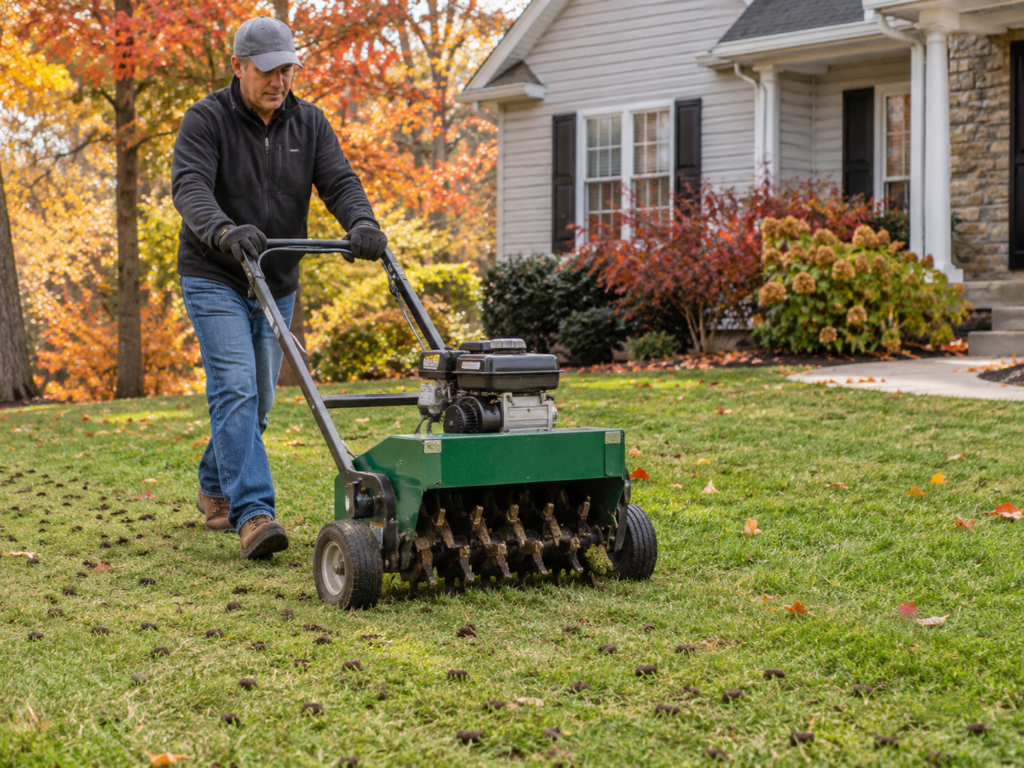
Benefits of fall lawn aeration include:
- Improved water infiltration and drainage
- Better oxygen circulation around grass roots
- Increased access to essential nutrients
- Reduced soil compaction
- Improved conditions for overseeding
- Healthier root development before winter
For cool-season lawns in Northern Virginia, early fall is generally an excellent time to perform core aeration because the grass is actively growing and can recover from the process.
Aeration is especially beneficial for lawns with compacted soil, thinning grass, poor water absorption, or heavy use. However, it should be performed when soil moisture is appropriate rather than when the ground is excessively dry or waterlogged.
3. Overseed Thin or Bare Areas to Encourage Thicker Grass
Summer heat, drought, pests, and everyday wear can cause residential lawns to develop bare patches and thin areas. Overseeding helps restore these sections by introducing new grass seed into an existing lawn.
Early fall is generally the best time for overseeding cool-season grasses in Northern Virginia. The combination of warm soil, cooler air temperatures, and reduced competition from certain summer weeds provides favorable conditions for seed germination.
Virginia Cooperative Extension identifies late August through mid-September as the preferred fall seeding period for Northern Virginia, although establishment may still be possible into mid-October under favorable conditions.
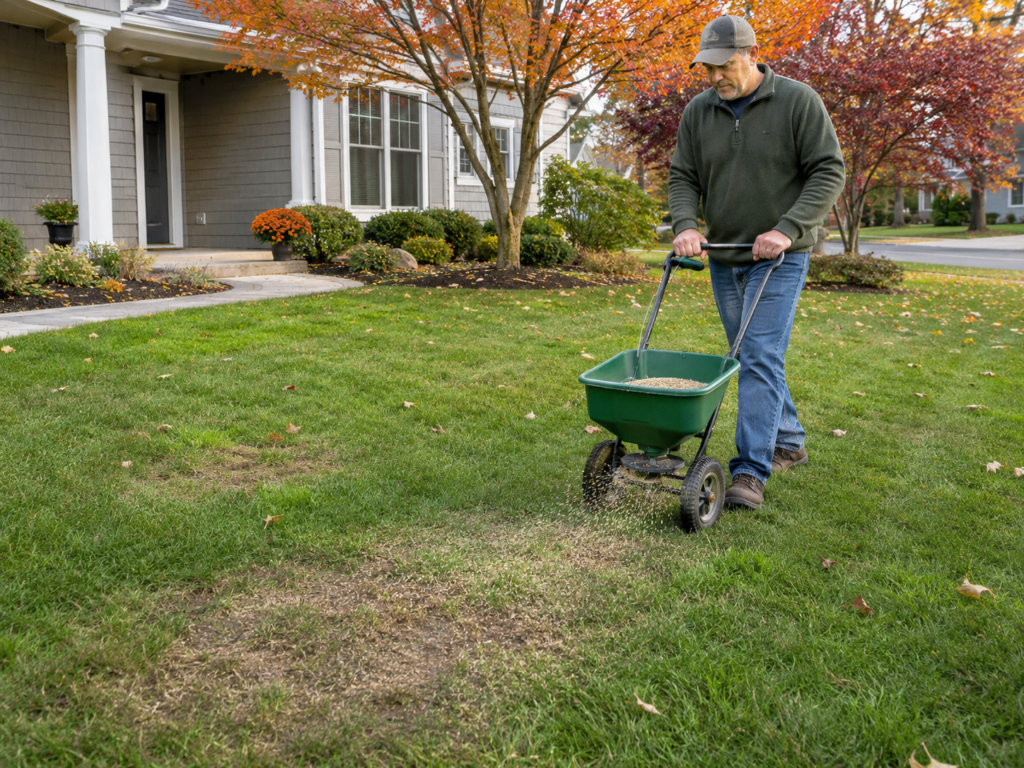
For successful overseeding:
- Choose grass seed suited to Northern Virginia’s climate and your property’s sun exposure.
- Address soil compaction and other underlying problems before applying seed.
- Consider combining overseeding with core aeration to improve seed-to-soil contact.
- Distribute the seed evenly across thinning or bare sections.
- Keep newly seeded areas consistently moist until germination occurs.
- Limit heavy foot traffic until the new grass becomes established.
Turf-type tall fescue is a popular option for many Northern Virginia residential lawns because of its adaptability and relatively good tolerance for summer heat.
When performed correctly, overseeding can help create a denser, more uniform lawn that is better prepared for the following growing season.
4. Apply Fall Fertilizer to Strengthen Grass Roots
Fertilization is another important component of effective fall lawn care. During autumn, cool-season grasses continue developing roots and storing nutrients that support their survival through winter and subsequent growth in spring.
Applying the appropriate fertilizer can help replenish nutrients depleted during summer and support healthier grass development. However, fertilizer selection and application rates should be based on your lawn’s specific needs rather than a one-size-fits-all approach.
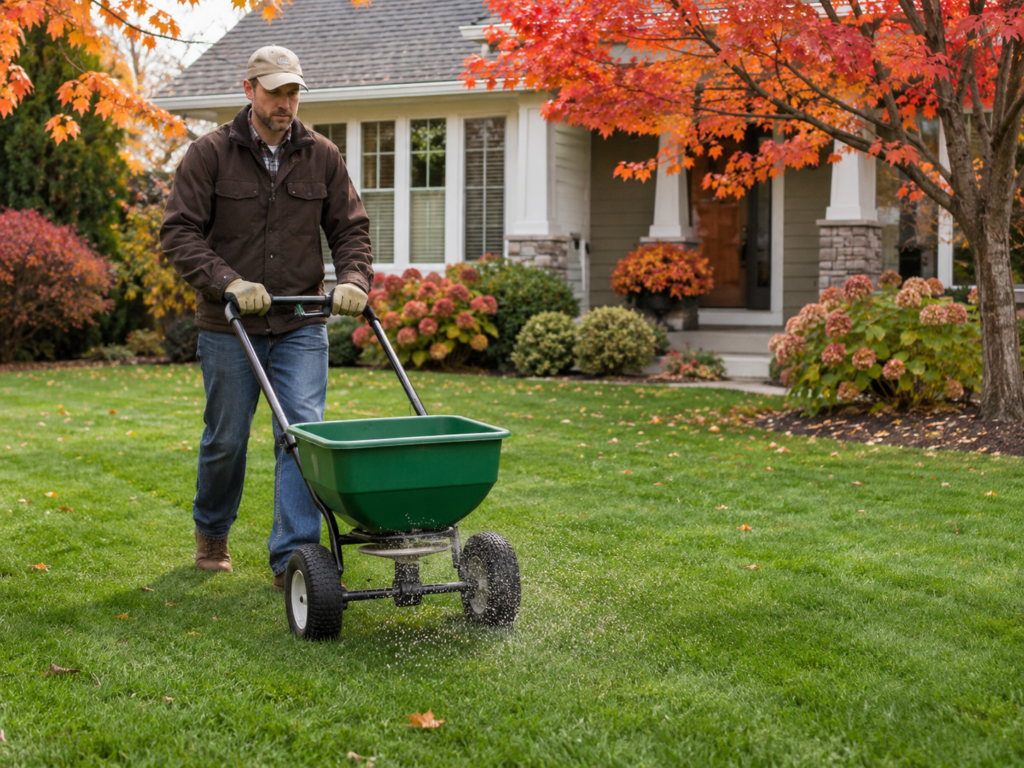
Important fall fertilization considerations include:
- Soil testing: Test your soil to identify nutrient deficiencies and determine whether amendments are necessary.
- Fertilizer selection: Choose a fertilizer that provides nutrients appropriate for your grass type and soil conditions.
- Application timing: Schedule fertilization during active cool-season grass growth, generally in early and mid-to-late fall.
- Proper distribution: Apply fertilizer evenly to prevent excessive growth or localized damage.
- Water protection: Avoid applying fertilizer before heavy rainfall or on frozen, saturated, or snow-covered ground.
Homeowners should also avoid applying unnecessary phosphorus or lime without supporting soil test results.
Northern Virginia’s soil conditions can vary considerably between properties, making a customized fertilization approach especially valuable. Properly timed applications help strengthen existing turf without promoting excessive growth or unnecessary nutrient runoff.
5. Remove Fallen Leaves and Organic Debris Regularly
Although colorful fall foliage is one of Northern Virginia’s most recognizable seasonal features, accumulated leaves can create problems for residential lawns.
When thick layers of leaves cover the grass, they restrict sunlight, reduce airflow, and trap moisture against the turf. If left in place for extended periods, wet leaves can contribute to fungal problems, grass discoloration, and weakened growth.
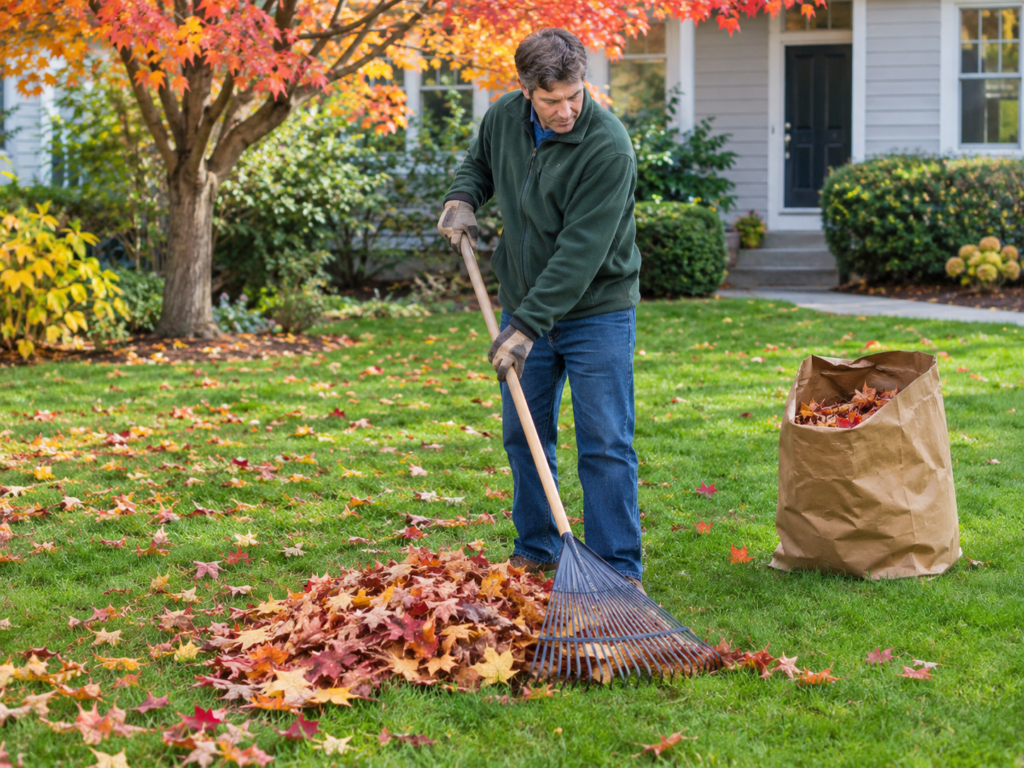
Regular leaf removal is therefore an essential part of lawn care in fall.
Homeowners should focus on:
- Removing thick accumulations of leaves before they smother the grass.
- Clearing leaves from shaded areas and beneath large trees.
- Preventing organic debris from accumulating around drainage areas.
- Removing fallen branches, twigs, and other yard debris.
- Keeping walkways, patios, and landscape beds clear of excessive leaf buildup.
Small amounts of dry leaves can often be mulched into fine particles using a lawn mower, providing organic matter that benefits the soil. However, heavy leaf coverage should be removed or reduced before it begins restricting sunlight and airflow.
Professional leaf removal services can be especially helpful for Northern Virginia properties with mature trees, large lawns, or substantial seasonal leaf accumulation.
6. Control Fall Weeds Before They Become Established
Weed management is another important part of a comprehensive fall lawn care guide. Although some weeds become less active as temperatures decrease, others continue growing throughout autumn or begin establishing themselves before winter.
Common weeds that may require attention during fall include dandelions, clover, chickweed, and henbit. Some perennial weeds also transport nutrients into their root systems during this season, making properly timed treatment effective.
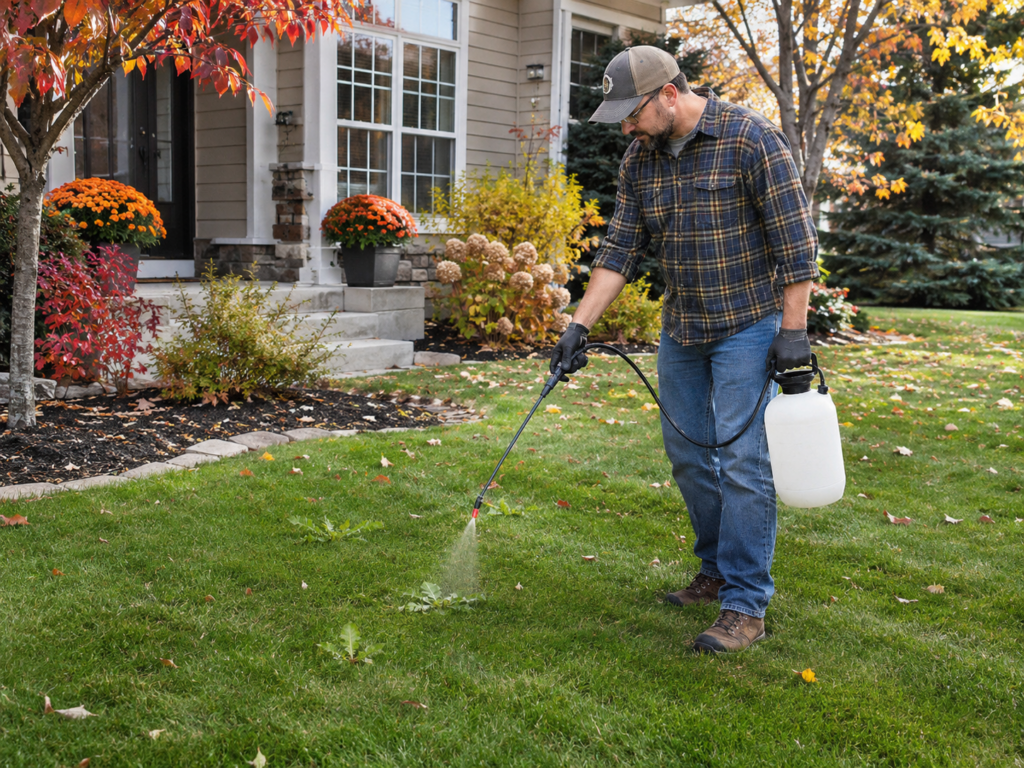
To minimize weed problems:
- Identify the specific weeds growing in your lawn before choosing a treatment.
- Address existing perennial broadleaf weeds during appropriate fall treatment windows.
- Maintain dense, healthy grass to reduce available space for weed establishment.
- Avoid excessive fertilizer or irrigation that encourages unwanted growth.
- Follow herbicide label directions, particularly when planning to overseed.
Fall weed control should be coordinated with aeration and overseeding schedules. Certain herbicides can interfere with grass seed germination or damage newly established seedlings if applied too close to seeding.
Preventive maintenance and selective treatment can help homeowners reduce weed pressure before spring arrives.
7. Adjust Your Watering Schedule as Temperatures Drop
Even though Northern Virginia generally experiences cooler temperatures during fall, lawns still require adequate moisture to support healthy roots and ongoing grass growth.
One common misconception is that irrigation can stop immediately once summer ends. In reality, inconsistent rainfall and extended dry periods can leave grass vulnerable to drought stress, especially after overseeding.
For established cool-season lawns, approximately one inch of total water per week from rainfall and irrigation is a common starting guideline during active growth. Actual requirements depend on soil moisture, temperature, and weather conditions.
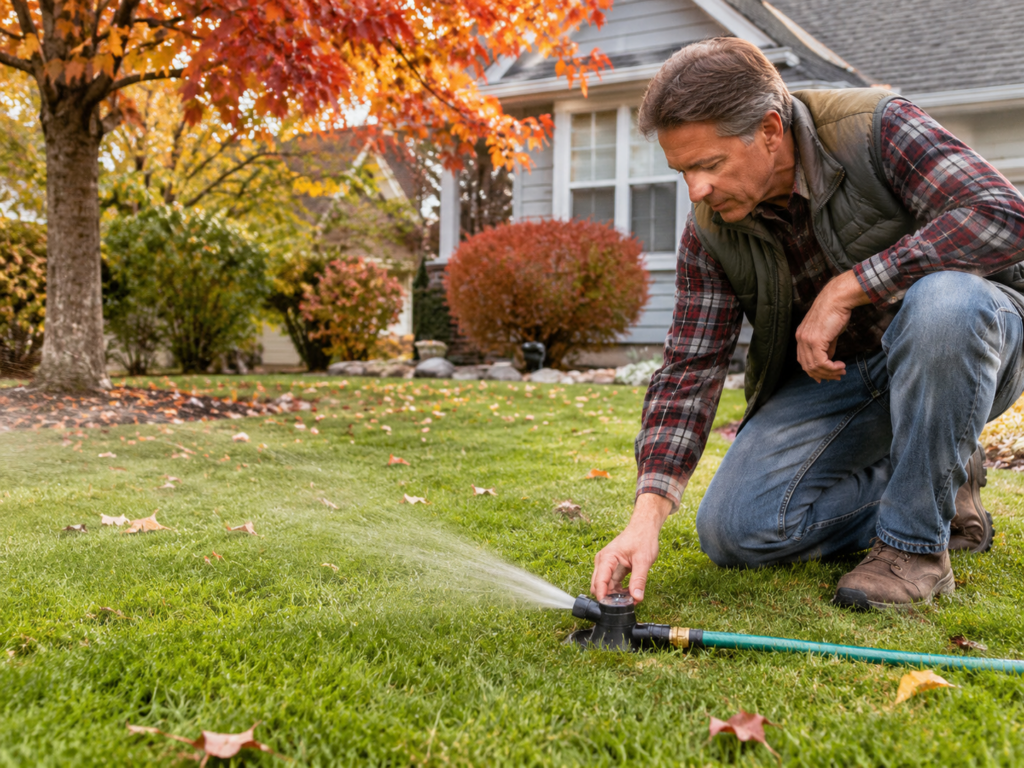
Follow these fall watering recommendations:
- Monitor rainfall and avoid unnecessary irrigation when the soil is already moist.
- Water deeply and less frequently for established lawns when conditions allow.
- Provide lighter, more frequent watering for newly seeded areas until grass becomes established.
- Avoid excessive watering that creates standing water or persistently saturated soil.
- Gradually reduce irrigation as temperatures cool and grass growth slows.
Homeowners with automatic irrigation systems should also plan for seasonal shutdown before freezing weather arrives.
Proper irrigation winterization helps protect underground pipes, sprinkler heads, valves, and other system components from freeze-related damage.
8. Test Your Soil and Correct Nutrient Imbalances
Healthy grass depends on healthy soil. Unfortunately, many Northern Virginia properties have dense clay soils or soil conditions that interfere with nutrient availability and root development.
Fall provides a convenient opportunity to evaluate soil health and make appropriate improvements.
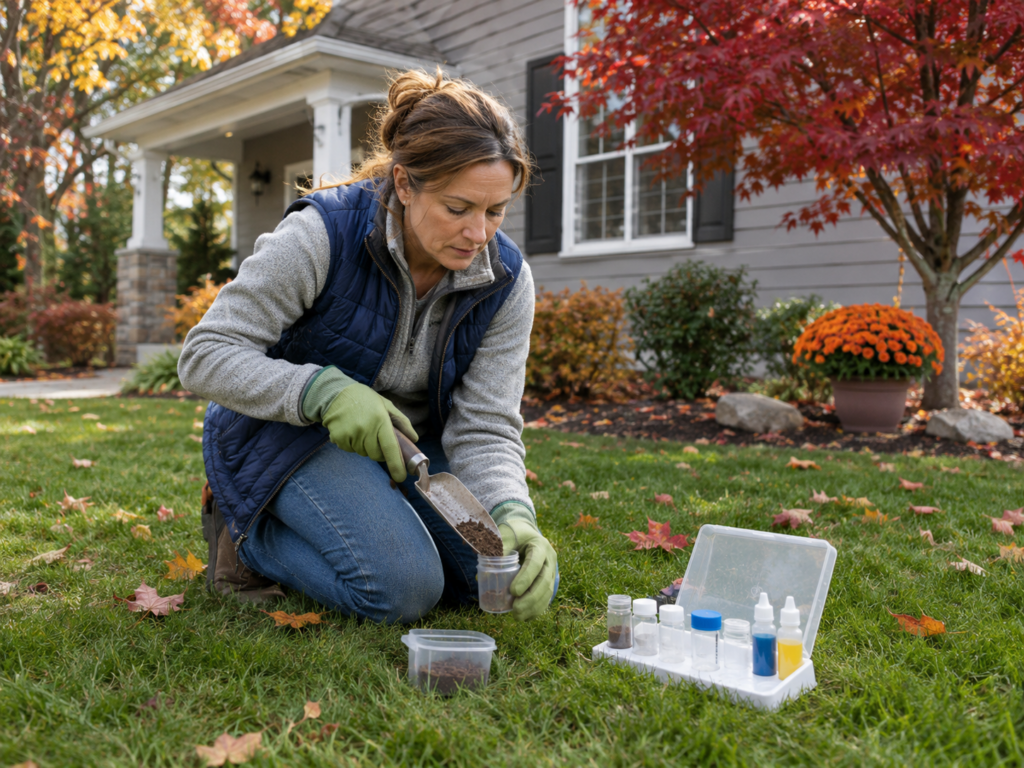
A professional or laboratory soil test can identify:
- Soil pH levels
- Phosphorus and potassium availability
- Recommended nutrient amendments
- Whether lime is necessary to correct acidic soil conditions
- Potential fertility concerns affecting turf growth
If soil testing reveals excessive acidity, applying the recommended amount of lime can help improve nutrient availability. However, lime should only be applied when necessary because excessive applications can create additional soil imbalances.
Soil improvements may take time to produce measurable results, making fall an advantageous season to address existing deficiencies before the next growing season.
9. Complete a Thorough Fall Yard Cleanup
Beyond lawn mowing, fertilization, and leaf removal, homeowners should perform a comprehensive seasonal cleanup to prepare their entire landscape for winter.
Fallen branches, overgrown vegetation, clogged drainage areas, and accumulated debris can create problems during freezing weather and winter storms. Addressing these issues during autumn helps maintain curb appeal while protecting lawns and landscaped areas.
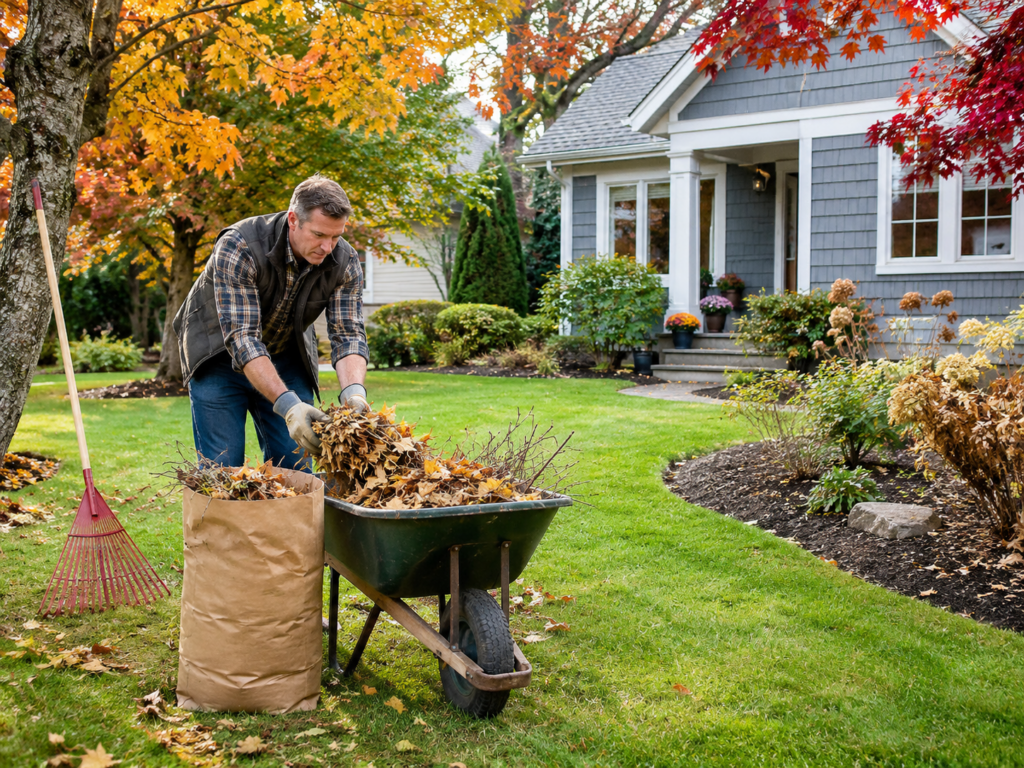
A thorough fall yard cleanup may include:
- Removing fallen leaves and accumulated organic debris.
- Collecting branches, sticks, and other yard waste.
- Cleaning debris from landscaped beds and lawn borders.
- Cutting back appropriate dead or damaged plant material.
- Clearing drainage areas to promote proper water movement.
- Removing debris from walkways, patios, and other outdoor surfaces.
- Inspecting the lawn for bare spots, drainage problems, or signs of disease.
Homeowners should avoid aggressively cutting back every perennial or shrub without considering its specific care requirements. Some plants benefit from retaining winter structure, while others require pruning during different seasons.
Professional fall cleanup services can simplify these tasks and help ensure residential landscapes are properly maintained before winter weather arrives.
10. Prepare Your Lawn for Winter Dormancy
The final stage of lawn care in fall involves protecting grass from seasonal conditions that can cause unnecessary damage.
As winter approaches, cool-season lawns gradually reduce their growth rates. Although some grass may remain green during mild periods, freezing temperatures and prolonged cold weather can limit active growth.
Taking a few preventative measures before winter helps reduce stress and promotes healthier recovery in spring.
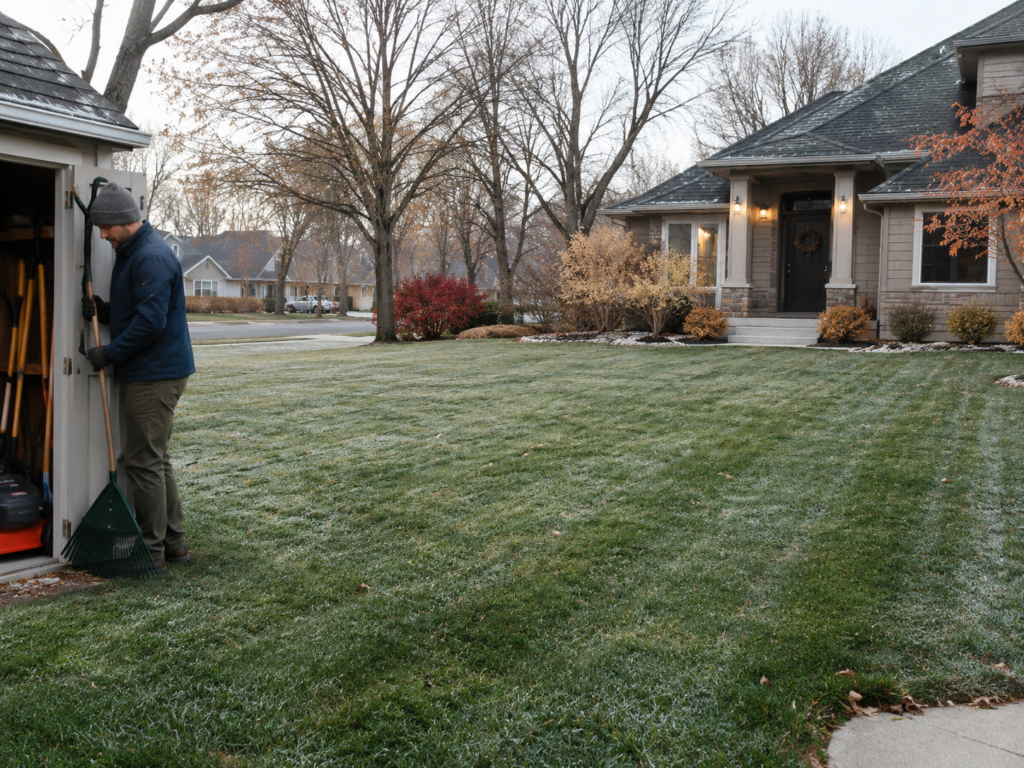
Important winter lawn preparation steps include:
- Finish seasonal mowing: Continue mowing as needed until grass growth slows, maintaining an appropriate height.
- Limit traffic on frozen grass: Walking or placing heavy equipment on frozen turf can damage grass blades and crowns.
- Remove remaining debris: Prevent thick leaf piles and other materials from smothering the grass.
- Address drainage concerns: Correct areas where standing water may freeze or contribute to turf damage.
- Protect newly seeded sections: Minimize unnecessary activity around young grass that has not fully established.
- Winterize irrigation equipment: Drain and protect sprinkler components according to the system manufacturer’s recommendations.
Completing these steps before sustained freezing temperatures arrive gives your lawn a better opportunity to withstand winter conditions and resume healthy growth in spring.
Fall Lawn Care Schedule for Northern Virginia Homeowners
The ideal timing for fall lawn maintenance depends on weather patterns, grass variety, and the condition of your property. However, the following seasonal schedule provides a helpful overview for Northern Virginia homeowners with primarily cool-season lawns.
| Time of Year | Recommended Lawn Care Tasks |
| Late August–Early September | Inspect summer damage, test soil, begin core aeration, and start overseeding when conditions are favorable. |
| September | Complete major overseeding projects, apply appropriate fertilizer, manage soil compaction, and maintain consistent watering. |
| October | Continue mowing, remove fallen leaves, monitor moisture levels, address weeds as appropriate, and complete remaining seasonal lawn improvements. |
| November | Perform regular leaf removal, finish major yard cleanup tasks, continue mowing if necessary, and prepare irrigation systems for freezing weather. |
| Late November–Early December | Remove remaining debris, inspect drainage areas, protect dormant or frozen turf, and complete any outstanding winter preparations. |
These periods are general guidelines rather than fixed deadlines. Temperature fluctuations, rainfall, frost dates, and grass growth can affect the most appropriate maintenance schedule for individual properties.
For example, overseeding is generally most successful earlier in fall, while leaf removal and winter preparation often remain important well into November.
Professional Fall Lawn Care Services in Northern Virginia From Precision Lawn & Landscape
At Precision Lawn & Landscape, we provide comprehensive residential lawn care services designed to help homeowners throughout Northern Virginia maintain healthy, attractive outdoor spaces year-round. Our services include lawn fertilization, weed control, core aeration, overseeding, and other lawn treatments that address the unique seasonal challenges of maintaining residential turf in the region. Whether your lawn needs rehabilitation after a stressful summer or routine maintenance before winter, our team can help you develop an effective seasonal care plan.
We also specialize in professional fall cleanup services and leaf removal to keep residential properties clean, organized, and properly maintained throughout autumn. By removing accumulated leaves, clearing seasonal debris, and addressing essential landscaping maintenance tasks, we help homeowners prepare their properties for colder weather. Our team proudly serves communities throughout Northern Virginia, including Woodbridge, Manassas, Gainesville, Bristow, Fairfax, Dumfries, and surrounding areas.

Prepare Your Northern Virginia Lawn for Fall With Precision Lawn & Landscape
A healthy, beautiful lawn begins with proper seasonal maintenance. From aeration and overseeding to fertilization, leaf removal, and comprehensive yard cleanup, following a consistent fall lawn care routine helps protect your grass from winter damage while encouraging stronger growth the following spring.
At Precision Lawn & Landscape, we’re here to make seasonal lawn maintenance easier for Northern Virginia homeowners. Our professional lawn care and fall cleanup services can help you keep your property looking its best while preparing your lawn for the challenges of the colder months.
Contact Precision Lawn & Landscape today to request a free quote and learn how our fall lawn care services can help protect and improve your Northern Virginia lawn.
FAQs
Lawn care in fall primarily focuses on repairing summer damage, encouraging root growth, and preparing grass for winter dormancy. Spring lawn care emphasizes supporting new growth, managing emerging weeds, and helping the lawn recover from winter conditions.
The best time to begin fall lawn care in Northern Virginia is typically late August through early September, when temperatures begin to cool and grass growth becomes more favorable. Starting early allows enough time for aeration, overseeding, and fertilization before winter arrives.
Depending on your lawn’s condition, fall treatments may include grass seed, fertilizer, and soil amendments recommended by a soil test. The appropriate products and application schedule depend on your grass variety, soil composition, and existing lawn problems.
A typical fall lawn care schedule in Northern Virginia begins with aeration and overseeding in late August or September, followed by continued mowing, fertilization, and leaf management throughout autumn. Final cleanup and winter preparation should generally take place in October and November before consistently freezing weather arrives.