Key Takeaways
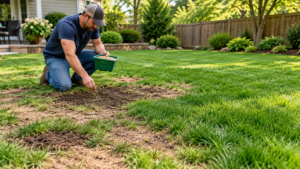
- Brown patches, chewed turf, dying grass, dead turf, and itchy bites in Northern Virginia are often caused by common lawn pests such as ticks, fleas, japanese beetles, chinch bugs, white grubs, mosquitoes, and fire ants.
- Early identification and targeted pest control can prevent costly lawn damage and protect family health because bad bugs carry diseases and some biting insects transmit diseases.
- Precision Lawn & Landscape offers professional lawn pest inspections and treatment programs for residential and commercial properties in Woodbridge, Manassas, Dumfries, and surrounding Northern Virginia communities.
- Good lawn maintenance-proper mowing, watering, fertilizing, clean-up of debris, and removal of standing water-is the first defense against lawn and garden pests.
- This guide explains signs of specific insect pests, practical DIY steps, and when to call a local landscape contractor or pest control company.
Introduction: Why Lawn Pests Are a Big Deal in Northern Virginia
Warm, humid summers and mild springs make Northern Virginia a strong habitat for insect pests plaguing lawns, landscape beds, ornamental trees, and shrubs. Our transition-zone lawn grasses, especially tall fescue and bluegrass blends, can handle some pressure, but heat, drought, shade, and pests together can create dead patches fast.
Lawn pests damage turf in different ways: immature grubs chew grass roots, chinch bugs suck sap from grass blades, and surface feeders shred foliage. Biting pests like ticks, fleas, mosquitoes, and aggressive ants also threaten people and pets.
Precision Lawn & Landscape integrates pest control into lawn maintenance, landscaping services in Northern Virginia, hardscaping, and year-round property care so your outdoor space stays safer, healthier, and more enjoyable.
Ticks in the Lawn
Ticks are not only a woods problem. A disease carrying tick can live in tall grasses, groundcovers, leaf litter, and shaded property edges in Prince William County and nearby areas. Virginia has multiple tick species, and the Virginia Department of Health notes that ticks carry disease, including Lyme disease, babesiosis, and southern tick-associated rash illness (STARI). Babesiosis is a parasitic blood infection, and one disease carrying tick bite can require medical attention. Lone star tick bites may also trigger a serious red meat allergy, also called red meat allergy; not all ticks spread the same illness, but prevention matters.
Typical habitats include tall grass, unmowed edges, overgrown shrubs, and lawn-to-woods transition zones. Trimming back vegetation and keeping the lawn mowed can help reduce tick habitats, making your yard safer for family activities. Create a 3-foot gravel or mulch border along wooded areas, remove brush, and discourage deer, rodents, and wild animals. Creating a barrier of gravel or mulch between wooded areas and your lawn can help deter pests like ticks and other wildlife from entering your yard. Always check people and pets after outdoor time; if you regularly find ticks, ask about professional pest control.
Fleas in Your Yard
Even with flea prevention products on pets, fleas infest shaded beds, kennels, and turf when raccoons, squirrels, opossums, or neighborhood cats pass through. Outdoor pet food attracts wild animals, and wild animals can plague pets with reinfestations.
Fleas cause itchy bites and can transmit diseases such as typhus and cat-scratch disease; they can also cause tapeworm infections if accidentally ingested. Fleas are linked with typhus infections and cat scratch disease, so yard sanitation matters. Remove debris, clean pet areas, and keep clutter down. Severe infestations may require coordinated pet, indoor, and outdoor treatment.
Japanese Beetles and Lawn Grubs
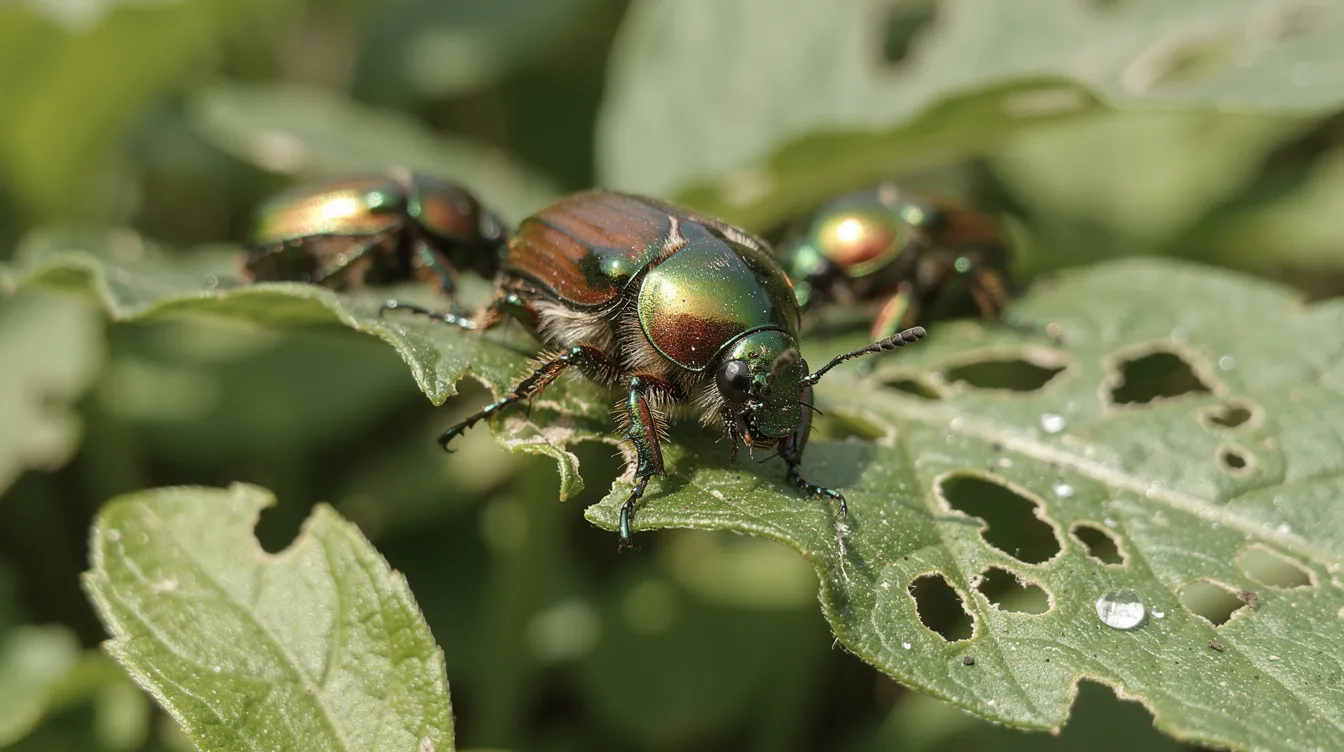
Adult Japanese beetles are jewel colored beetles-metallic green and copper-that appear from late June into July. This invasive beetle was established in Virginia decades ago, and Virginia Tech describes its one-year life cycle.
- Foliar damage: japanese beetles feed in groups and skeletonize roses, grape leaves, lindens, shrubs, and ornamentals; heavy feeding can defoliate trees.
- Root damage: Japanese beetles skeletonize the foliage of plants and their larvae, known as grubs, chew through grass roots, creating dead patches in lawns.
White grubs, the larvae of scarab beetles, are among the most damaging lawn pests, feeding on grass roots just below the soil surface during spring, summer, and early fall. Immature grubs and grubs feed below the soil surface, causing thinning turf, brown patches, and grass that peels back like carpet, often requiring preventative grub control treatments to protect the lawn.
To control adults, pick them off plants and dunk them in soapy water; smashing them can attract more beetles. Avoid placing traps near valuable plants. Professional grub programs work best when timed before severe damage, then paired with fertilization and overseeding.
Chinch Bugs and Other Turf-Damaging Insect Pests
Lawn insect pests play different roles. Chinch bugs, sod webworms, armyworms, cutworms, mole crickets, and grubs do not damage turf the same way, and targeted lawn fertilization and weed control programs can help turf better withstand their pressure. Distinguishing between subsurface root-feeders and surface blade-destroyers is essential for effective lawn pest management.
Chinch bugs are sap-sucking insects that feed on grass, causing it to wither and die by injecting a toxin that prevents the grass from absorbing water. Chinch bug damage often begins in hot, sunny areas in July and August as yellow, reddish, then brown patches. Chinch bugs can be controlled by maintaining healthy grass through proper watering and fertilization, as well as using insecticides if necessary.
Sod webworms are slender, 1-inch-long greyish-green caterpillars that create silken tunnels in grass and chew blades at the stem level. Armyworms are 1-to-2-inch-long greenish-brown caterpillars that can rapidly damage grass blades, leading to bare spots. Use the Tug Test and the Soap Drench Test to identify pests before treating.
Fire Ants and Stinging Lawn Pests
The red imported fire ant came from south america decades ago and is more common south of Northern Virginia, but aggressive ants and occasional introductions can still appear in sunny lawns, parking lot edges, and disturbed soil. If you find fire ants, look for loose, dome-shaped fire ant mounds with no central hole.
Fire ant stings can cause painful blisters and allergic reactions, posing a health risk to children and pets who may encounter them in the yard. Ant stings can also create serious hazards for grounds crews. Fire ants may harm native wildlife, kill chicks, threaten baby birds and ground nesting birds, and even ruin crops in infested areas.
To kill fire ant mounds safely, use labeled baits or mound drenches only as directed. Precision Lawn & Landscape can coordinate with licensed commercial landscape service providers in Northern Virginia when significant fire ant mounds appear on business or community properties.
Mosquitoes Around Lawns and Landscapes
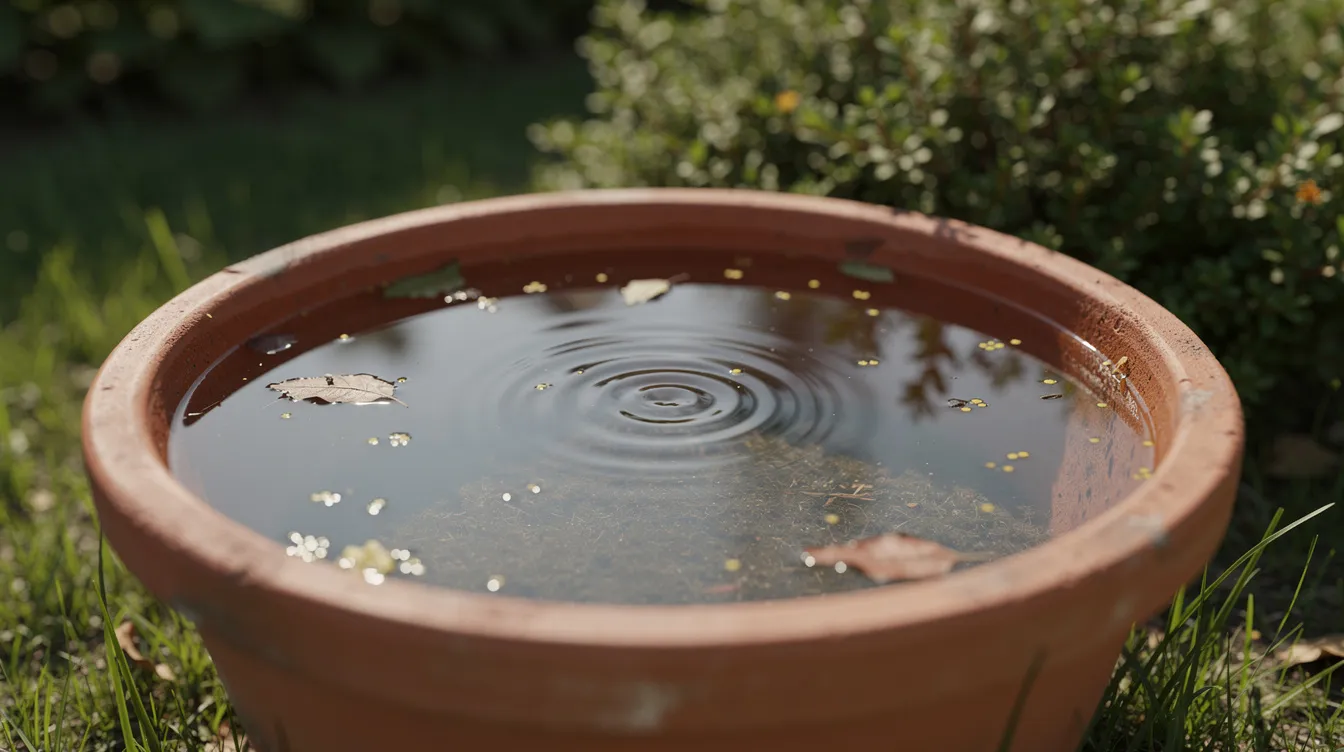
Mosquitoes lay eggs in standing water near the lawn-plant pots, saucers, toys, tarps, gutters, and low spots. Adults rest in tall grasses and dense shrubs. Northern Virginia residents should take west nile virus seriously; VDH identifies it as a key mosquito-borne concern in Virginia.
Reduce the mosquito population by dumping and scrubbing containers weekly, correcting drainage, mowing properly, and thinning overgrowth. Reliable irrigation system services also help address drainage and watering issues that can create standing water. Larvicide dunks can help in unavoidable water features, while seasonal treatments work best when coordinated with landscape maintenance.
Recognizing Lawn Pest Damage vs. Other Lawn Problems
Brown or thin areas are not always caused by garden pests. Drought, disease, pet urine, compaction, and shade can mimic pest injury.
Look for clues: grubs cause turf that lifts easily; chinch bugs create sunny, irregular dead patches; japanese beetles leave skeletonized leaves; mole crickets may cause tunneling and spongy soil. Check the top 2–3 inches with a shovel, inspect leaf undersides, and use soap flushes. Correct identification prevents wasted insecticide and protects beneficial insects and native wildlife.
Integrated Pest Control and Lawn Maintenance Strategies
Integrated Pest Management (IPM) combines cultural maintenance, physical barriers, and natural predators for effective lawn care. It uses cultural, mechanical, biological, and chemical tools such as professional weed control and fertilization programs only when needed.
Maintaining optimal grass health helps prevent attracting destructive insects. A healthy, thick lawn naturally outcompetes weeds and is more resilient against pests, especially when supported by professional lawn care and landscaping services in Northern Virginia. Watering deeply but infrequently encourages deep root systems, enhancing resilience to drought and pests. Cultural practices like mowing high, watering deeply, and aerating annually improve lawn health and resistance to pests. Regular mowing helps maintain a healthy lawn and can prevent pest infestations by reducing hiding spots for insects. Mow the lawn frequently enough to avoid scalping, reduce thatch, and avoid heavy summer nitrogen.
Non-chemical options help too. Planting nectar-rich, native flowers attracts natural pest-eaters such as ladybugs and lacewings. Introducing natural predators is an effective strategy for lawn insect control before damage becomes visible. Beneficial nematodes can destroy soil-dwelling pests like grubs and flea larvae, while neem oil disrupts soft-bodied insect life cycles. Beneficial nematodes are microscopic roundworms that consume subsurface soil larvae like grubs and root maggots. Diatomaceous earth can be used to dehydrate crawling insects, while neem oil disrupts the feeding and growth cycles of pests. Use chemicals only after confirmation and act promptly when pests are detected, as damage often goes unnoticed until it becomes severe.
Professional Lawn Pest Services in Northern Virginia
Precision Lawn & Landscape understands the lawn pests affecting Woodbridge and nearby Northern Virginia communities, including Manassas, Dumfries, and surrounding areas. Our locally owned lawn and landscaping companyinspects residential yards and commercial properties, including offices, HOAs, and retail centers, then recommends tailored options.
Because most insects are not harmful, our goal is not to eliminate every insect. It is to reduce bad bugs, protect turf, avoid treatments that harm native wildlife, and build stronger landscapes through maintenance, design-build services, hardscaping, and seasonal care. Contact Precision Lawn & Landscape to schedule an on-site evaluation or request an estimate to discuss lawn pest control options.
Key Takeaways
- Heat stress in Northern Virginia lawns typically appears June through August as footprints that linger, blue-gray grass blades, and brown patches in sunny areas.
- Most “dead” summer lawns are actually in summer dormancy and can recover with proper deep, infrequent watering and gentle mowing practices.
- Practical actions include applying 1 inch of water per week in 2–3 early morning sessions, using your highest mower setting, and reducing traffic on stressed areas.
- Precision Lawn & Landscape offers professional summer lawn care and irrigation-adjustment services in Woodbridge, Manassas, Dumfries, and surrounding Northern Virginia communities.
What Is Heat Stress in a Lawn?
When high temperatures and dry weather combine for prolonged periods, your turf enters a state of heat stress. This occurs when air temperatures consistently exceed 85–95°F while soil moisture drops faster than roots can absorb water. In Northern Virginia, this most often happens from late June through early September during multi-day heat waves.
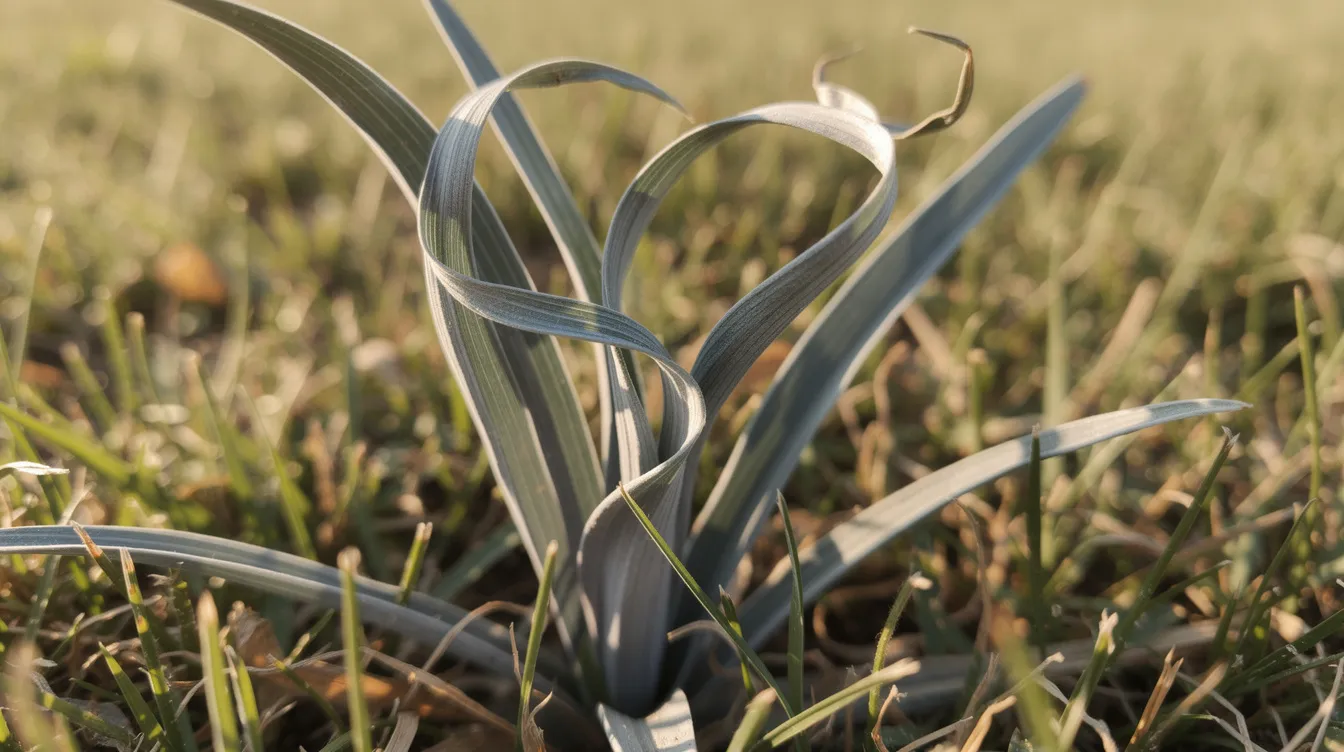
Cool season lawns common in our region—Kentucky bluegrass, perennial ryegrass, and tall fescue—thrive in the 60–75°F range. Once temperatures climb above 80–85°F, grass growth slows dramatically and the plant redirects energy from growth to survival. Unlike diseases that create irregular lesion patterns, heat stress starts as wilting and a dull blue-gray color before shifting to tan or brown if conditions persist.
The science is straightforward: hot soil, intense sun, and summer wind can pull moisture from the plant through transpiration faster than even healthy roots can replace it. Surface soil temperatures can reach 100–120°F on exposed areas, essentially cooking shallow root systems and leaving your lawn unable to retain moisture.
How to Spot Heat and Drought Stress Early
Early detection is the best way to prevent heat stress from turning small warning signs into large dead-looking patches. Notice these indicators before they spread:
- Color changes: Look for blue-gray or dull green areas rather than vibrant green; this signals the plant is closing its stomata to conserve water
- Blade behavior: Grass blades folding, curling, or rolling inward indicate the plant is reducing surface area to slow moisture loss
- Location patterns: Hot spots appear first on south- and west-facing slopes, along driveways and sidewalks, and near hardscape that reflects heat
- The footprint test: Walk across your lawn in the afternoon; if footprints remain visible for 30 minutes or more instead of springing back within a few minutes, you have significant turgor loss
- The screwdriver test: Try pushing a flat-head screwdriver 4–6 inches into soil dry areas—if it won’t go easily, compaction and drought are limiting root access to moisture
- Irrigation gaps: Check around sprinkler heads for uneven coverage; stressed patterns often mirror poor watering distribution from clogged or misaligned heads
Is It Heat Stress, Dormancy, or Dead Grass?
Many Northern Virginia homeowners assume brown summer grass is dead when it’s often just dormant. Understanding the difference saves money and prevents unnecessary panic.
Summer dormancy is a survival mechanism. After 2–3 weeks of heat and drought stress, cool-season grasses shut down visible growth, turn tan, and focus energy on keeping crowns and roots alive. This is natural and reversible.
The tug test: Gently pull a handful of brown grass. If it resists and remains firmly anchored with pliable roots, it’s likely dormant or stressed—not dead. If it pulls up easily with dry, brittle roots under 2 inches, that area may be dead.
Even dormant lawns need about ½ inch of water every two weeks to keep crowns viable. Dead turf from extreme heat, chinch bugs, grubs, or diseases often shows bare spots, crumbly roots, and will need reseeding or sodding in early fall.
If you’re unsure whether your lawn is dormant or dead, calling Precision Lawn & Landscape for an evaluation can save you from investing in seed or irrigation changes that won’t help.
Immediate Steps to Help a Heat-Stressed Lawn
Stressed lawns can often recover in 2–4 weeks with consistent care. Here’s how to help your lawn withstand heat stress starting this week:
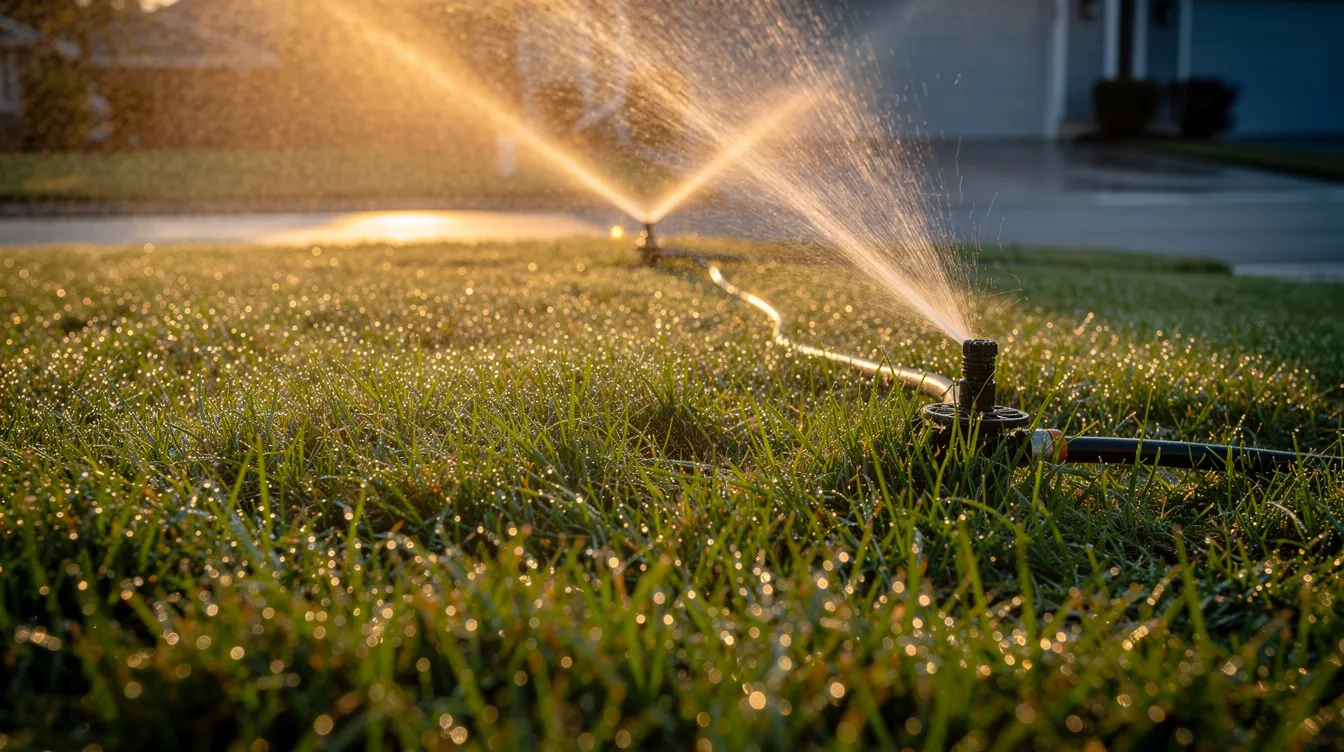
- Water deeply and infrequently: Apply about 1 inch of water per week, spread over 2–3 early morning sessions (0.35–0.5 inches on Tuesday, Thursday, and Sunday between 4–8 a.m.)
- Measure your irrigation: Place several straight-sided containers like tuna cans around your yard during watering to calibrate how long your sprinkler system needs to run
- Raise your mower: Set blades to the highest setting (3.5–4 inches for cool-season grasses) to shade the soil and encourage deep root development
- Follow the one-third rule: Never remove more than one-third of blade height in a single mowing—don’t cut from 6 inches down to 2 inches in one pass
- Postpone fertilizer: Skip high-nitrogen feeding from mid-June through mid-August; it forces growth the stressed plant cannot support
- Reduce traffic: Minimize foot traffic, play equipment, and pet activity on visibly wilted or brown areas until resilience improves
- Adjust watering schedule for efficiency: For commercial properties, Precision Lawn & Landscape can reset irrigation controllers, identify coverage gaps, and adjust mowing schedules to match heat conditions
Long-Term Strategies to Prevent Heat Stress
Building a lawn that can handle summer heat requires preparation before the heat wave arrives.
- Select heat-tolerant grass: Tall fescue blends and turf-type tall fescue offer 20–30% better heat tolerance than pure Kentucky bluegrass, with roots reaching 8–12 inches compared to 6 inches for bluegrass
- Aerate in fall: Core aeration in September–October relieves compaction and improves infiltration by up to 50%, helping roots grow deeper before the next summer
- Build organic matter: Annual topdressing with compost and leaving grass clippings on the lawn creates natural mulch that helps soil retain moisture
- Maintain your irrigation system: Calibrate and check for clogged heads, misaligned nozzles, and low-pressure zones each spring to prevent uneven watering that leads to stress patterns
- Add strategic shade: Planting trees on western and southern property edges can reduce late-afternoon sun exposure and radiated heat from hardscape
- Adjust summer mowing: Mow less frequently, avoid the hottest part of the day, and keep blades sharp to minimize tearing and water loss
- Consider professional maintenance plans: Precision Lawn & Landscape offers seasonal programs covering spring prep, summer monitoring, and fall renovation
Common Mistakes That Make Heat Stress Worse
Well-intentioned homeowners often accidentally wreak havoc on already struggling lawns. Avoid these errors:
- Daily shallow watering: Applying 0.1–0.2 inches daily trains roots to stay near the hot surface rather than growing deep where moisture persists
- Scalping during heat: Lowering the mower deck to “clean things up” exposes soil, increases evaporation, and can damage crowns
- Summer fertilizing: Applying heavy nitrogen in July burns roots and forces thin, weak growth the plant can’t sustain
- Using herbicides on stressed turf: Many weeds killers specify avoiding use above 85°F; ignoring this causes additional injury
- Ignoring early signs: Waiting weeks then trying aggressive fixes like dethatching during a heat wave compounds damage
- Evening watering: Running sprinklers at night leaves blades wet overnight, increasing disease risk when plants are already vulnerable
How Precision Lawn & Landscape Helps Heat-Stressed Lawns in Northern Virginia
Precision Lawn & Landscape is a local, full-service lawn care and landscaping company serving Woodbridge, Manassas, Dumfries, and surrounding Northern Virginia communities. Our team understands the specific challenges hot weather creates for cool-season lawns in this region.
- Midsummer assessments: We inspect for heat and drought stress, check irrigation coverage, evaluate soil moisture, and identify compacted or shallow-rooted areas
- Residential services: Heat-conscious mowing schedules, irrigation timer adjustments, spot-watering recommendations, and summer-safe nutrient programs tailored to your lawn
- Commercial property care: Monitoring high-traffic entryways, medians, and parking-lot-adjacent turf, plus coordinating with property managers around business hours
- Fall renovation: Core aeration, overseeding with drought-tolerant fescue varieties, topdressing, and soil amendments to boost water-holding capacity after severe stress
- Satisfaction guarantee: Every lawn receives a property-specific evaluation rather than a generic one-size-fits-all prescription
Contact Precision Lawn & Landscape for a summer lawn assessment before the next heat wave. Call 703-493-1811 to discuss your lawn care needs.hern Virginia. Contact us to schedule an evaluation if you’re seeing new, spreading, or recurring brown spots.

FAQs
Cut a 1-foot-square section of turf about 2–3 inches deep in late summer or early fall, peel it back, and count white, C-shaped grubs. More than about 6–8 per square foot can indicate damaging white grubs.
No. Brown spots may come from drought, fungal disease, compacted soil, pet damage, or shade. Patterns and simple tests help confirm whether insect pests are involved.
Preventive grub treatments are typically best in late spring to early summer. Chinch bug treatments usually align with hot, dry mid- to late-summer weather, while grub damage often appears in early fall.
Follow the product label. Keep children and pets off treated areas until sprays are dry or granular products are watered in and the lawn has dried.
Yes. Healthy, dense turf reduces pest pressure. Severe infestations may still need targeted treatments, but strong maintenance often lowers chemical use.