As temperatures begin to drop and winter approaches, taking the time to prepare your lawn for colder weather is essential for maintaining healthy, attractive grass year-round. Freezing temperatures, snow, ice, and fluctuating moisture levels can all take a toll on your lawn, potentially leading to damaged grass, compacted soil, and bare patches when spring arrives. Fortunately, proper winter lawn preparation can help protect your grass from seasonal stress and encourage stronger, healthier growth once temperatures rise.
If you’re wondering how to winterize your lawn, there are several important steps you can take before the first hard freeze. From adjusting your mowing routine and removing fallen leaves to fertilizing and protecting your irrigation system, this guide covers everything homeowners in Northern Virginia should know about preparing their lawn for winter.
Why Is Preparing Your Lawn for Winter Important?
Although grass growth slows considerably during the colder months, your lawn’s roots and soil remain important to its overall health. Winter conditions can place significant stress on turfgrass, especially when lawns enter the season already weakened by summer heat, drought, soil compaction, or inadequate maintenance.
Proper winter lawn preparation helps strengthen your grass before dormancy or reduced winter growth, making it better equipped to withstand freezing temperatures and recover in the spring.
Some of the key benefits of winterizing your lawn include:
- Preventing winter damage: Reduce the risk of grass damage caused by freezing temperatures, excess moisture, and heavy foot traffic.
- Strengthening root systems: Support healthy root development and improve your lawn’s ability to tolerate seasonal stress.
- Reducing lawn diseases: Minimize conditions that encourage fungal growth, snow mold, and other turfgrass diseases.
- Improving spring recovery: Help your grass return to active growth more efficiently when warmer weather arrives.
- Protecting irrigation equipment: Prevent costly damage to sprinkler pipes, valves, and other components caused by freezing water.
For homeowners throughout Northern Virginia, where winters can bring repeated freeze-thaw cycles, occasional snow, and periods of heavy rainfall, taking preventive measures during the fall can make a noticeable difference in lawn health.
How to Winterize Your Lawn: 8 Essential Steps
Learning how to winterize your lawn involves more than simply stopping your regular mowing schedule. A comprehensive approach to winter lawn preparation addresses grass health, soil conditions, seasonal debris, and irrigation equipment before freezing weather arrives.
1. Remove Fallen Leaves and Debris
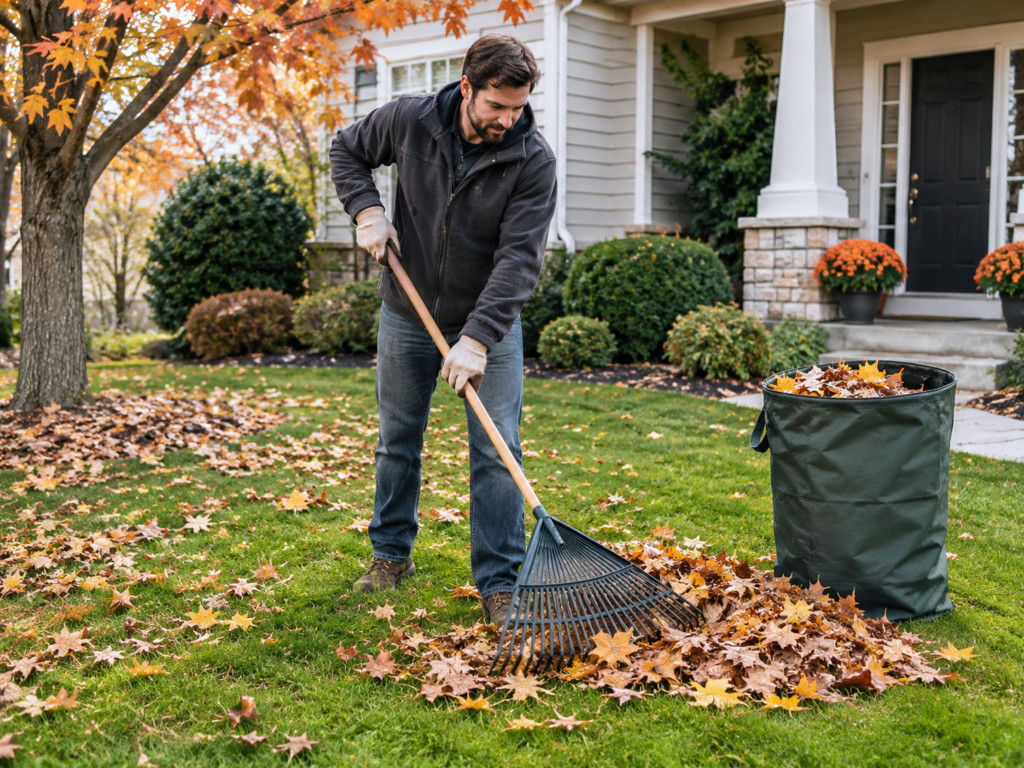
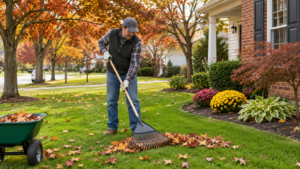
One of the first steps in preparing your lawn for winter is removing accumulated leaves, branches, and other debris. While a light layer of finely mulched leaves can benefit the soil, thick piles of leaves can block sunlight, restrict airflow, and trap excess moisture against the grass.
When leaves remain on your lawn throughout the winter, they can create favorable conditions for fungal diseases and contribute to weakened or dead patches of turfgrass.
To keep your lawn healthy:
- Rake or remove thick accumulations of fallen leaves regularly.
- Mulch small amounts of dry leaves into the grass when appropriate.
- Clear branches, twigs, and other debris from the lawn.
- Pay particular attention to shaded areas where moisture tends to accumulate.
Scheduling professional fall cleanup services can help ensure your property is free of excessive debris before winter weather arrives.
2. Adjust Your Lawn Mowing Schedule
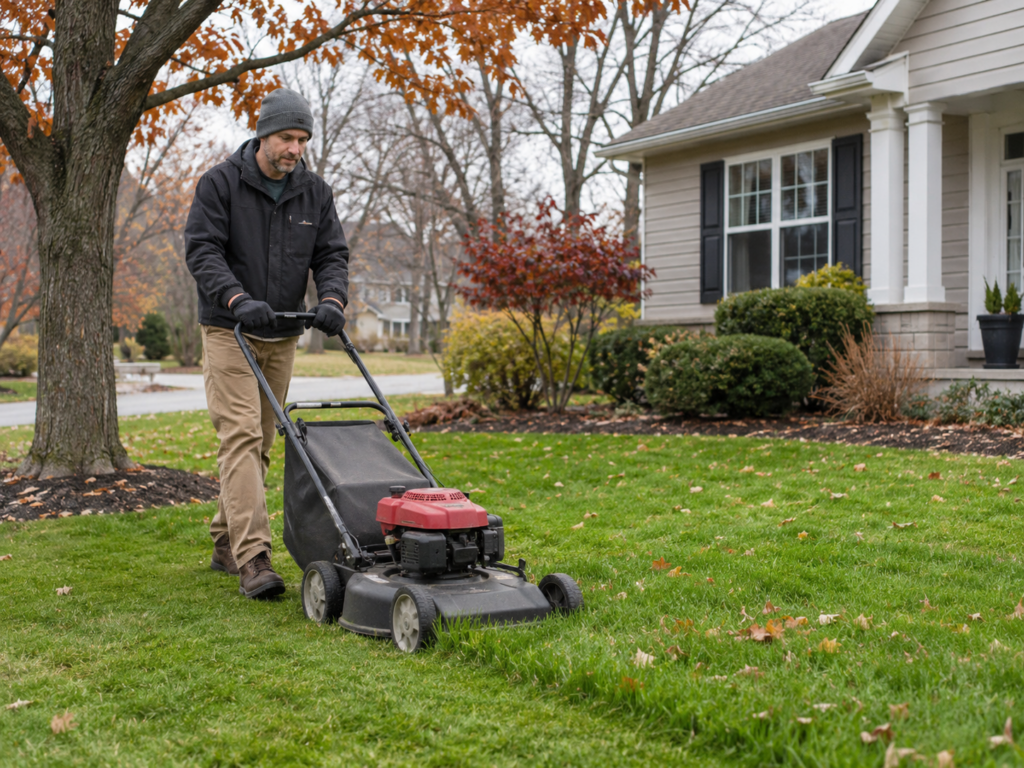
Proper mowing is another important part of winter lawn preparation. As temperatures decline and grass growth slows, you should gradually reduce your mowing frequency while continuing to cut the lawn whenever necessary.
For many cool-season lawns in Northern Virginia, including tall fescue and Kentucky bluegrass, maintaining an appropriate mowing height helps protect the grass from seasonal stress. Cutting grass excessively short can weaken it, while leaving it unusually long may contribute to matting and moisture retention.
Consider these mowing practices before winter:
- Continue mowing while your grass is actively growing.
- Maintain a suitable height for your specific grass variety, often around 3 inches for tall fescue.
- Avoid removing more than one-third of the grass blade during a single mowing.
- Use sharp mower blades to prevent unnecessary damage to the grass.
- Stop mowing once grass growth has largely ceased.
The goal is to enter winter with healthy, evenly maintained turf rather than cutting your lawn extremely short before the first freeze.
3. Apply the Right Fall Fertilizer
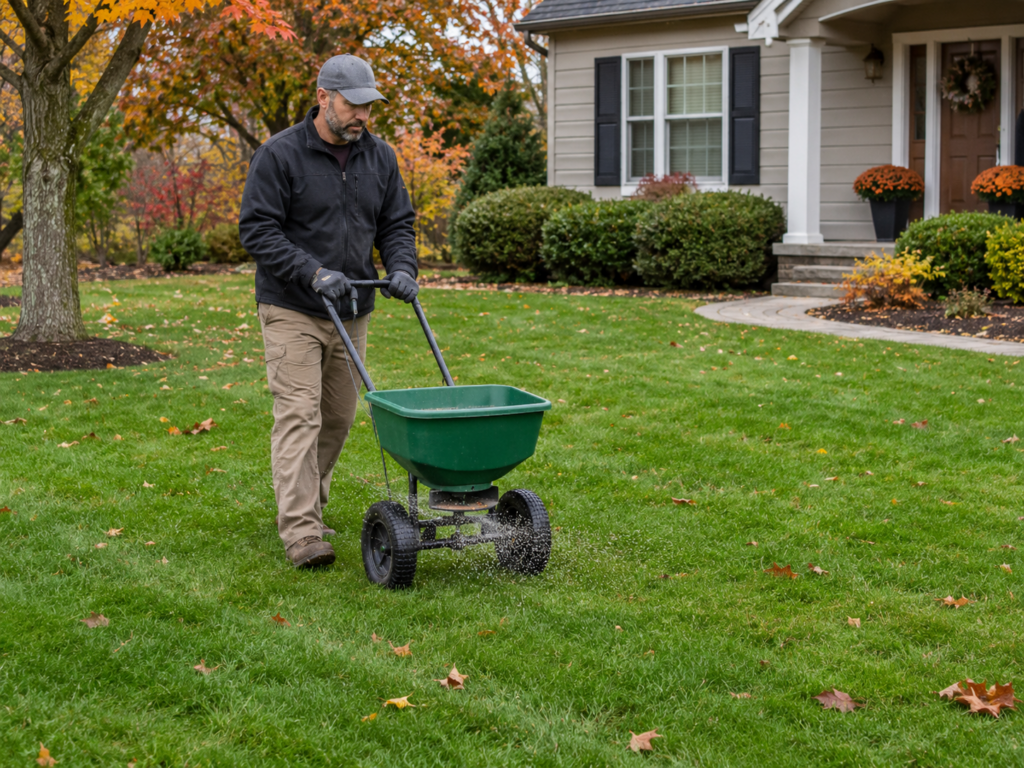
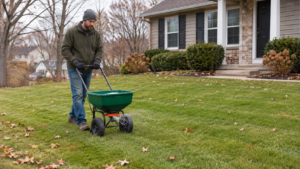
Fall fertilization can play an important role in strengthening cool-season grasses before winter. During the cooler months of autumn, these grasses continue developing roots and storing energy that supports their survival during winter and recovery in spring.
A properly timed fertilizer application can provide essential nutrients that promote healthy root growth, improve turf density, and help your lawn recover from summer stress.
However, fertilizer selection and timing should depend on your grass type, soil conditions, and existing nutrient levels. A soil test can help identify deficiencies and determine whether additional nutrients are necessary.
Avoid excessive fertilizer applications or applying nitrogen to frozen ground. Warm-season grasses, such as zoysiagrass and bermudagrass, also have different fertilization requirements and generally should not receive late-season nitrogen applications after active growth has ended.
4. Aerate Compacted Soil
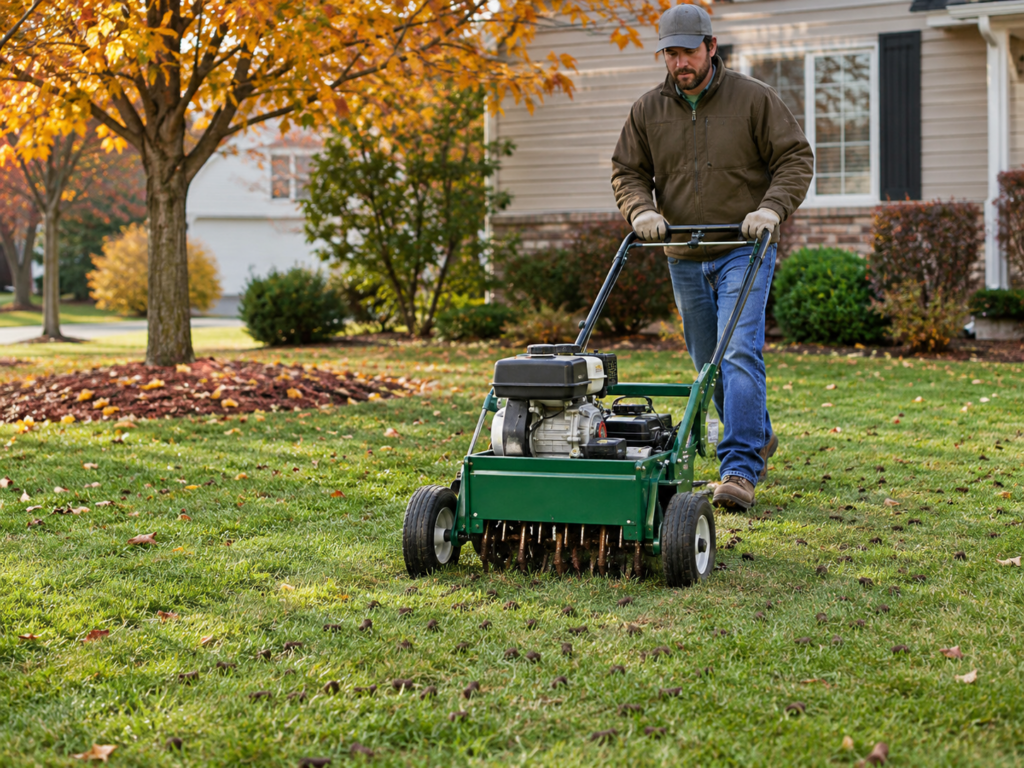
Soil compaction can prevent water, oxygen, and nutrients from reaching the roots of your grass. Over time, this can weaken your lawn and make it more susceptible to damage from freezing temperatures, standing water, and other winter conditions.
Core aeration addresses this problem by removing small plugs of soil, creating openings that allow air, water, and nutrients to penetrate more effectively.
Benefits of aerating your lawn include:
- Improving oxygen circulation within the soil.
- Encouraging deeper, healthier root development.
- Reducing soil compaction caused by regular foot traffic.
- Improving water absorption and drainage.
- Creating better conditions for overseeding.
For cool-season lawns in Northern Virginia, late summer through early fall is generally an ideal time for core aeration because the grass is actively growing and can recover before winter. Aeration is most beneficial when soil compaction is present rather than as an automatic requirement for every lawn.
5. Overseed Thin or Bare Areas
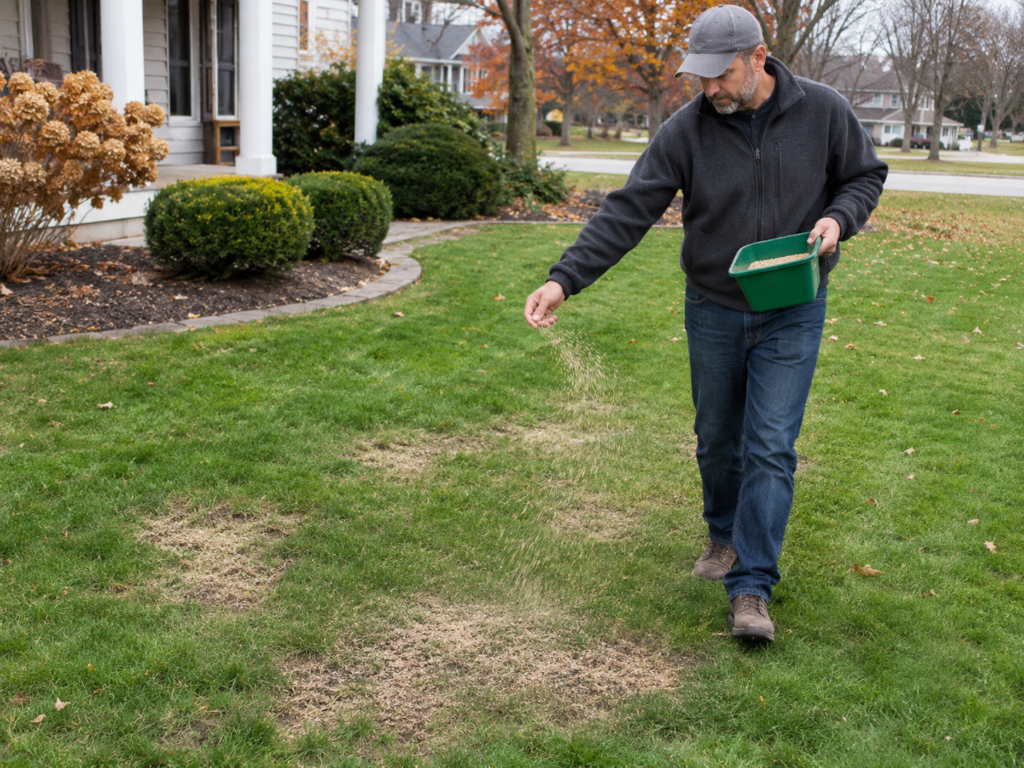
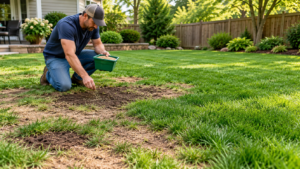
Thin grass and bare patches leave your lawn more vulnerable to erosion, weed growth, and additional deterioration throughout the winter. Overseeding can help restore turf density and create a healthier, more uniform lawn.
For cool-season grasses, the ideal overseeding period typically falls between late summer and early fall, when soil temperatures are favorable for seed germination and developing grass has time to establish before freezing weather.
When overseeding your lawn:
- Select grass seed appropriate for Northern Virginia’s climate.
- Address underlying causes of thinning, such as shade, drainage problems, or compacted soil.
- Prepare the soil to encourage good seed-to-soil contact.
- Water newly seeded areas consistently during establishment.
- Complete overseeding early enough for new grass to develop before winter.
Overseeding is particularly effective when combined with core aeration, which can improve growing conditions for new grass.
6. Manage Watering Before Freezing Temperatures
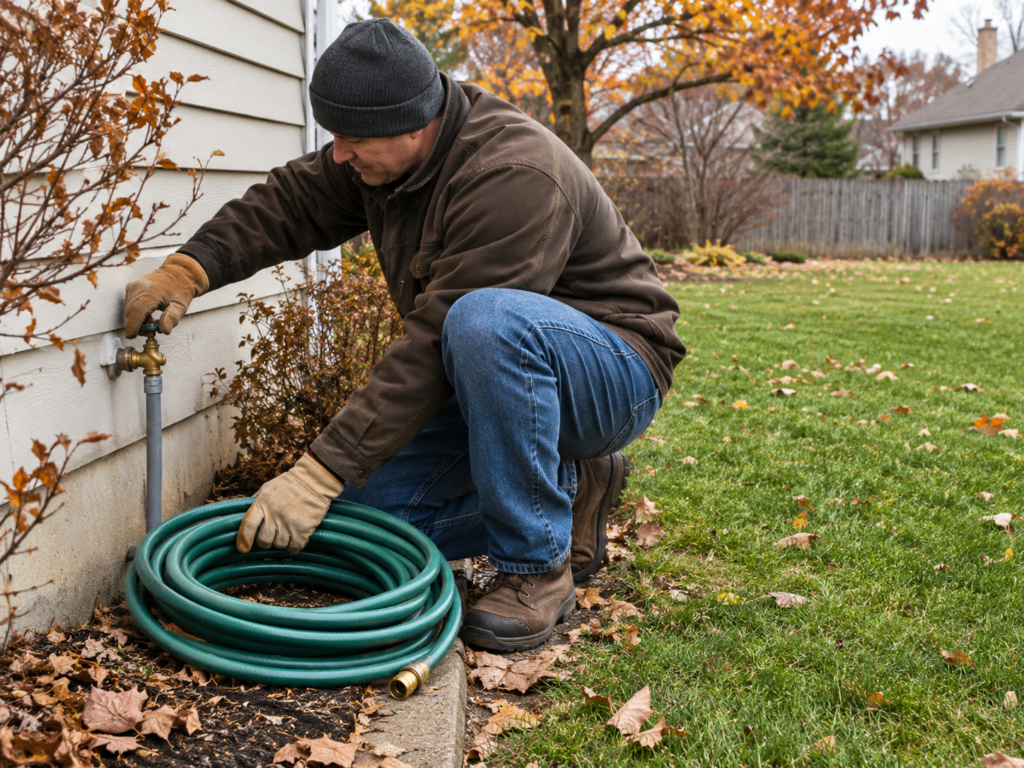
Although your lawn generally requires less irrigation during the cooler months, adequate moisture remains important while the grass is actively growing. Extended dry periods during fall can stress turfgrass and interfere with healthy root development.
Continue monitoring soil moisture as winter approaches, adjusting your watering schedule to account for rainfall, cooler temperatures, and reduced evaporation.
For effective winter lawn preparation:
- Water when necessary during dry fall conditions.
- Avoid overwatering or allowing water to accumulate on the lawn.
- Reduce irrigation frequency as temperatures and grass growth decline.
- Stop routine irrigation when the system is winterized and freezing conditions approach.
Proper moisture management helps prevent drought stress without creating overly saturated conditions that can contribute to winter lawn problems.
7. Winterize Your Irrigation System
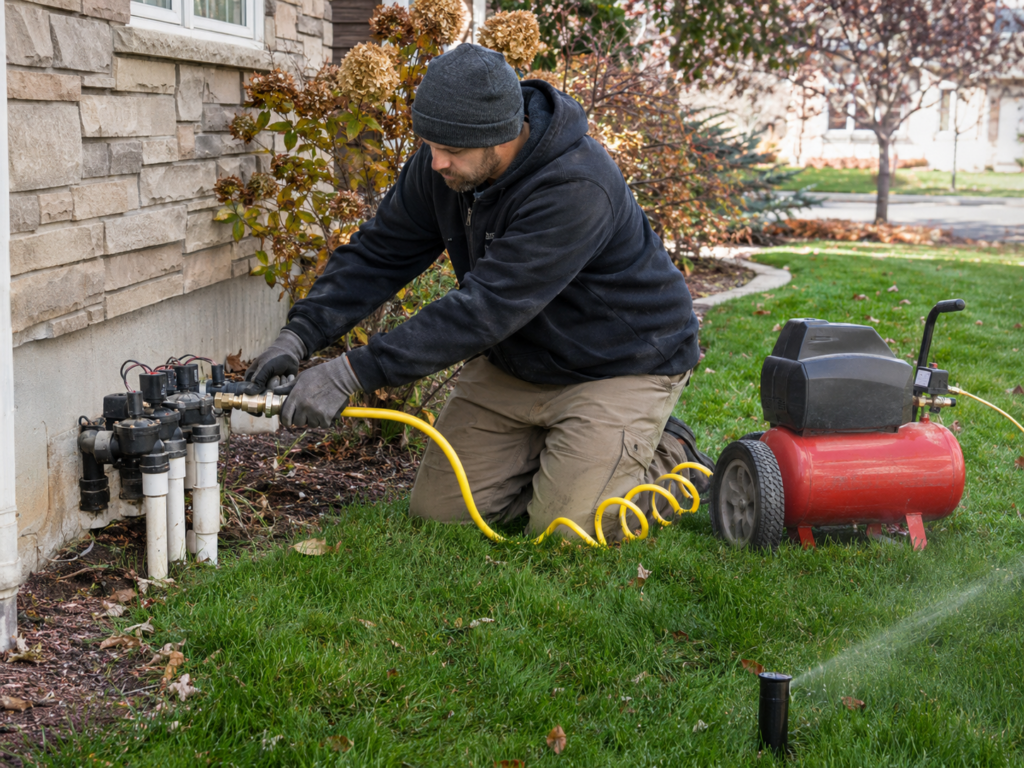
If your property has an underground sprinkler system, winterizing the irrigation equipment is essential before freezing temperatures arrive. Water left inside irrigation lines, valves, and other components can freeze and expand, potentially causing cracked pipes, damaged sprinkler heads, and expensive repairs.
Professional irrigation winterization typically involves shutting off the water supply, draining the system, and using controlled compressed air to remove remaining water from irrigation lines.
At Precision Lawn & Landscape, we offer professional irrigation winterization services to help homeowners throughout Northern Virginia protect their sprinkler systems from freezing temperatures. Our team follows a comprehensive winterization process designed to safely shut down irrigation equipment and reduce the risk of freeze-related damage.
Scheduling this service before freezing weather becomes established can help ensure your irrigation system is ready for winter and prepared for a successful spring startup.
8. Minimize Foot Traffic and Winter Lawn Stress
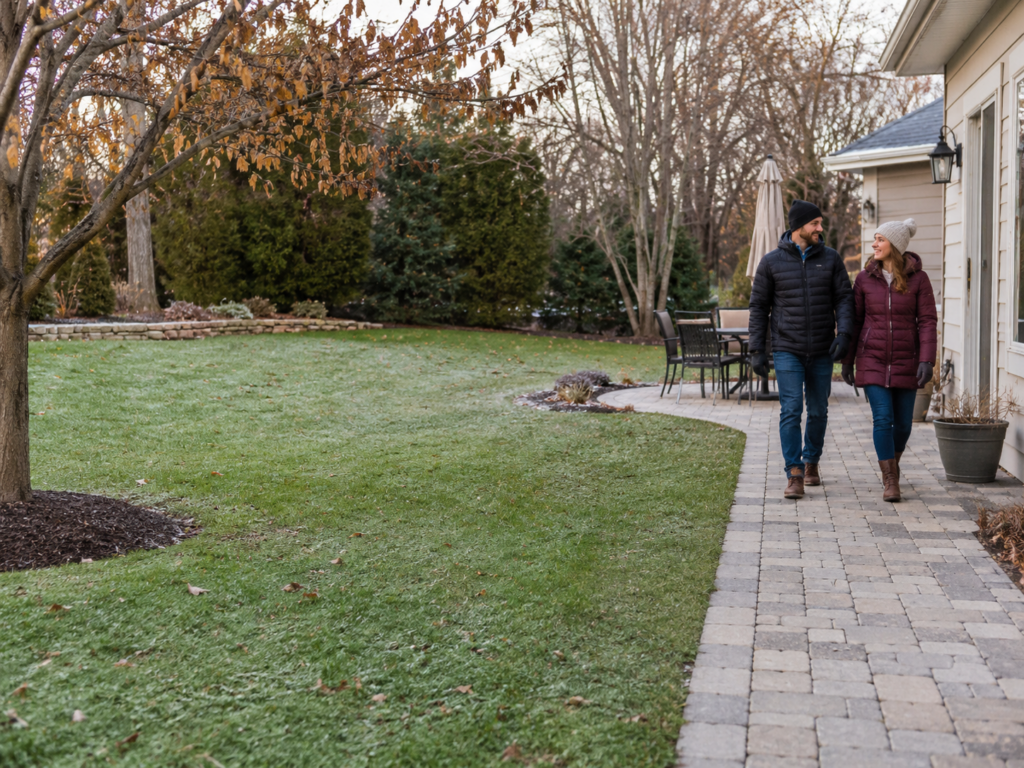
Once temperatures drop and grass growth slows, your lawn becomes less capable of recovering quickly from physical damage. Walking or placing heavy equipment on frozen, frost-covered, or excessively wet grass can injure grass blades and compact the underlying soil.
Repeated foot traffic in the same areas may also contribute to worn pathways and bare patches that become more noticeable in spring.
To minimize winter lawn damage:
- Avoid walking across frost-covered grass whenever possible.
- Keep heavy equipment and vehicles off the lawn.
- Use designated walkways during icy or snowy conditions.
- Avoid piling large amounts of shoveled snow in the same grassy areas.
- Keep excessive road salt and deicing chemicals away from turfgrass.
These simple precautions can help protect your grass throughout the winter months, especially when freezing and thawing conditions occur repeatedly.
Common Winter Lawn Problems and How to Prevent Them
Even with careful winter lawn preparation, certain problems can develop when temperatures fall. Understanding the most common causes of winter lawn damage can help you recognize potential issues early and take appropriate preventive measures.
Winter Desiccation
Winter desiccation occurs when grass loses moisture faster than its roots can replace it, particularly during periods of dry weather, freezing temperatures, and strong winds. This can cause grass blades to become discolored, brittle, or damaged.
How to prevent it: Maintain adequate soil moisture during dry fall weather and avoid allowing actively growing grass to enter winter under severe drought stress.
Snow Mold and Fungal Diseases
Snow mold is a fungal disease that can develop under prolonged snow cover or during extended periods of cold, damp weather. Affected areas may develop circular patches of matted, discolored grass after the snow melts.
How to prevent it: Remove excessive leaf buildup, avoid unusually long or matted grass, and follow appropriate late-season fertilization practices to reduce conditions favorable to fungal growth.
Soil Compaction and Poor Drainage
Heavy rainfall, melting snow, and repeated freeze-thaw cycles can worsen existing drainage problems. When water cannot move through the soil effectively, lawns may experience puddling, root stress, and weakened grass.
How to prevent it: Address compacted soil with properly timed aeration, keep drainage pathways clear, and correct areas where water consistently accumulates.
Freeze-Thaw Damage
Northern Virginia frequently experiences temperature fluctuations during the winter, causing soil to freeze and thaw repeatedly. These cycles can contribute to soil movement and frost heaving, particularly in poorly established or shallow-rooted grass.
How to prevent it: Encourage strong root development through appropriate fall fertilization, proper mowing, and early-season overseeding. Avoid disturbing frozen or saturated soil.
Salt and Deicer Damage
Ice-melting products used on driveways, sidewalks, and walkways can damage nearby grass when they accumulate in the soil. Excessive salt exposure can interfere with water uptake and cause brown patches along lawn edges.
How to prevent it: Use deicing products carefully, avoid spreading them directly onto the grass, and remove salt-contaminated snow from sensitive lawn areas when practical.
When Should You Start Winter Lawn Preparation in Northern Virginia?
The best time for preparing your lawn for winter depends on the type of grass you have, prevailing weather conditions, and the maintenance tasks your lawn requires.
In Northern Virginia, most winter lawn preparation activities should begin during late summer or early fall, giving your grass sufficient time to establish healthier roots and recover from treatments before colder temperatures arrive.
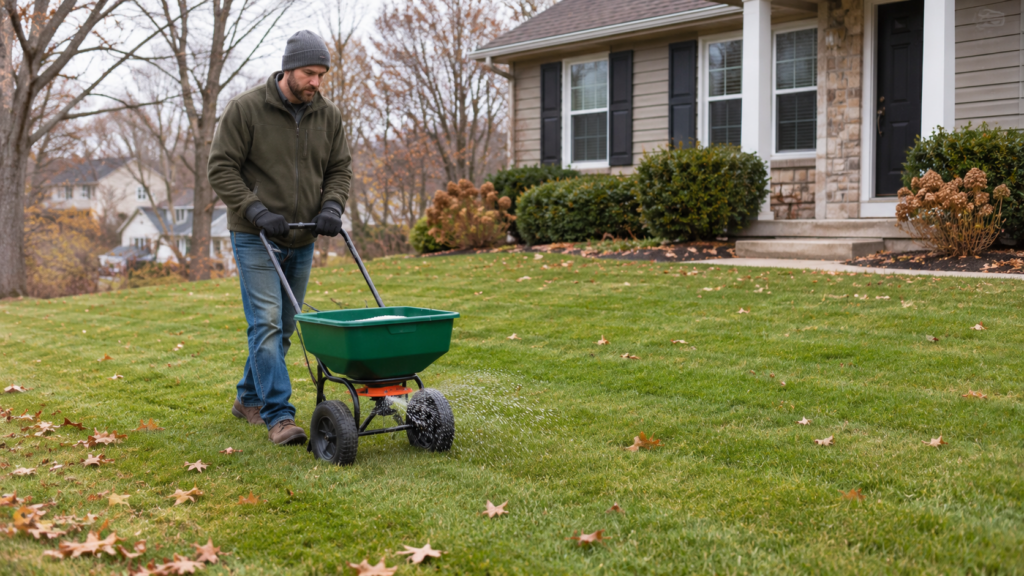
A general seasonal timeline includes:
| Time of Year | Recommended Lawn Preparation Tasks |
| Late August–September | Soil testing, core aeration, overseeding, and early fall lawn maintenance for cool-season grass |
| September–October | Appropriate fall fertilization, regular mowing, and ongoing leaf removal |
| October–November | Continued fall cleanup, mowing as needed, and irrigation winterization before freezing conditions |
| November–Early December | Final debris removal, moisture monitoring, and protection of vulnerable lawn areas |
| December–February | Minimize foot traffic, monitor drainage, and avoid unnecessary disturbance of frozen or saturated grass |
These time frames are general guidelines and may vary depending on seasonal weather patterns and grass type. Completing critical tasks before the ground freezes is important for protecting your lawn and maintaining its health.
Professional Winter Lawn Preparation in Northern VA With Precision Lawn & Landscape
At Precision Lawn & Landscape, we provide comprehensive residential lawn care services designed to help homeowners maintain healthy, attractive lawns throughout Northern Virginia. Serving communities such as Woodbridge, Manassas, Dumfries, Lake Ridge, Montclair, and surrounding areas, our experienced team provides professional lawn care solutions tailored to the needs of each property. From fertilization and weed control to core aeration, overseeding, and other essential treatments, we help homeowners maintain stronger, healthier grass throughout the changing seasons.
We also offer seasonal maintenance services that make preparing your lawn for winter easier and more convenient. Our fall cleanup services help remove fallen leaves and seasonal debris, leaving your lawn cleaner and better prepared for the colder months. Additionally, our irrigation winterization services help protect sprinkler systems from freezing temperatures and costly winter damage. By combining professional lawn care with seasonal cleanup and irrigation maintenance, we can help you protect your outdoor investment and prepare your property for a healthier spring.

Protect Your Lawn This Winter. Contact Precision Lawn & Landscape for a Free Quote
Knowing how to winterize your lawn is essential for preventing common winter lawn problems and supporting healthy spring growth. By maintaining proper mowing practices, removing excess leaves, addressing soil compaction, managing moisture, and protecting your irrigation system, you can reduce the risk of seasonal damage and keep your lawn in better condition throughout the colder months.
If you’re looking for professional help with winter lawn preparation in Northern VA, our team at Precision Lawn & Landscape is here to assist. Whether you need fall cleanup, lawn care treatments, or irrigation winterization, we offer dependable services to help prepare your property for the changing seasons.
Contact Precision Lawn & Landscape today for a free quote and let our experienced team help protect your lawn from winter damage!
FAQs
In Northern Virginia, it’s best to begin preparing your lawn for winter in late summer or early fall, typically between August and October. Starting early provides enough time for aeration, overseeding, fertilization, and other maintenance tasks before freezing temperatures arrive.
The best way to winterize your lawn is to combine proper mowing, fall fertilization, leaf removal, soil aeration, and appropriate watering practices. You should also winterize your irrigation system and minimize foot traffic on frozen grass to prevent unnecessary damage.
Freezing temperatures can damage grass, particularly when lawns are already stressed, newly established, or exposed to repeated freeze-thaw cycles. However, many cool-season grasses tolerate normal winter conditions and recover naturally when warmer temperatures return.
Common signs of winter lawn damage include irregular brown patches, matted grass, thinning turf, standing water, and areas that fail to green up during spring. Some discoloration is a normal part of dormancy, so it’s important to evaluate your lawn after temperatures warm before determining whether permanent damage has occurred.