Spring in Northern Virginia brings an exciting opportunity to transform your yard into a stunning green lawn that handles summer heat with remarkable ease! After months of dormancy, cold snaps, and winter debris, your turf is ready for some well-deserved attention before the growing season kicks into high gear. Whether you’re maintaining a cozy side yard in Woodbridge or managing a sprawling lawn on a commercial campus in Manassas, the steps you take now will determine how your grass performs like a champion through the summer months and beyond.
This comprehensive guide walks you through everything you need to know about how to prepare your lawn for spring in our beautiful region—from the very first inspection to watering strategies that will carry you triumphantly into early summer.
Quick Start: What to Do First in Early Spring
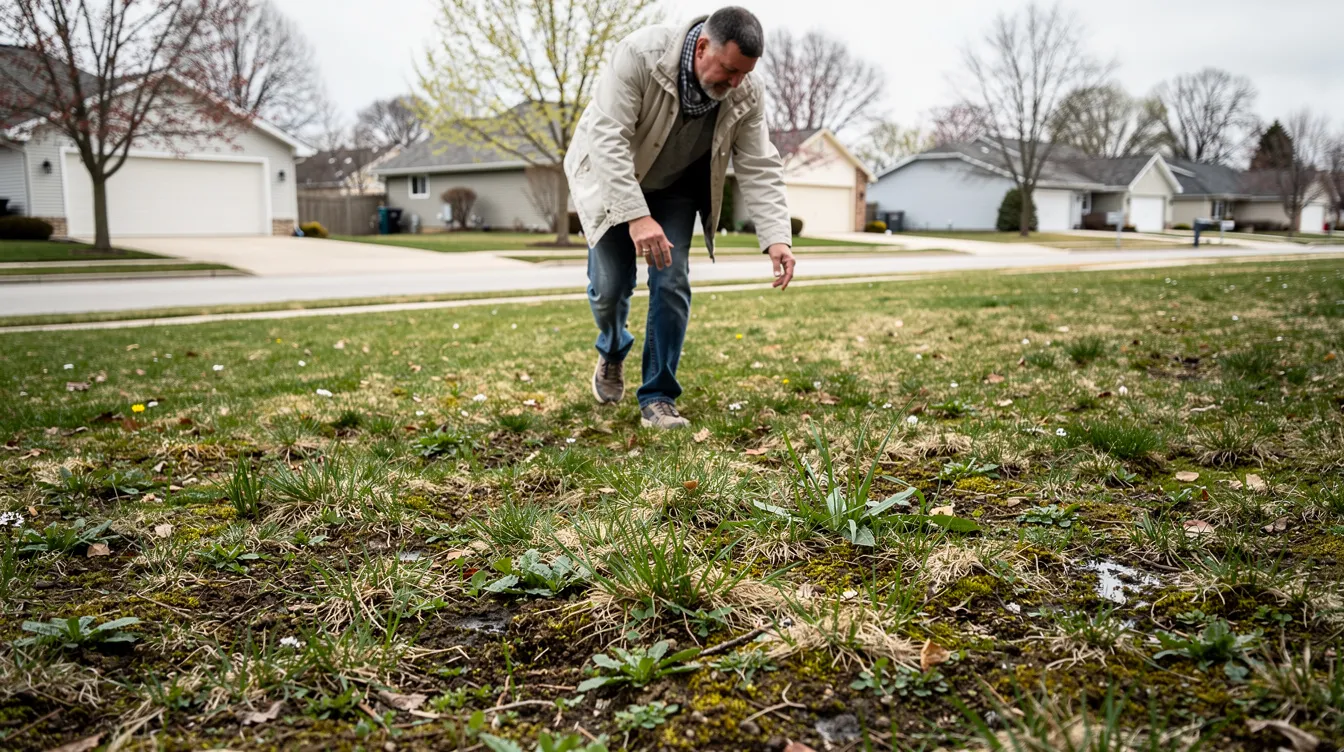
In Northern Virginia—particularly the thriving communities of Woodbridge, Manassas, and Dumfries—lawn prep begins as soon as daytime highs consistently sit in the mid-40s to low-50s Fahrenheit. This perfect window typically arrives in late February through March, though exact timing varies by year and elevation.
- Walk your property after snow has melted and soil is no longer soggy to identify winter damage, standing water, and compacted areas where grass looks thin or stressed
- Note problem zones including salt damage along walkways, areas where snow mold flattened the turf, and spots where puddles linger after rain
- Schedule professional help early with Precision Lawn & Landscape if you want aeration, overseeding, or a full spring cleaning—contractor schedules fill up fast by late March!
These initial checks help you decide whether your lawn mainly needs cleanup, compaction relief, or more extensive renovation like overseeding or fresh new sod. Acting in March through early April gives cool season grasses enough time to establish strong, healthy roots before the heat waves common to our region arrive in late spring and early summer.
Tune Up Your Mower and Tools
A sharp mower and properly maintained tools make all subsequent spring tasks faster and healthier for your gorgeous grass! Before that exciting first cut of the season, take time to prepare your equipment for peak performance.
Mower maintenance checklist:
- Sharpen or replace mower blades so they slice cleanly through grass blades rather than tearing them (torn tips invite disease and turn brown—nobody wants that!)
- Change the oil and replace the spark plug and air filter
- Drain old fuel from fall storage and refill with fresh gasoline—ethanol blends degrade over winter and can gum up small engines
- Set cutting height to approximately 3–4 inches for tall fescue lawns common in Northern Virginia; Bermuda grass or other warm season grass types require lower settings but should wait until they fully green up
Don’t forget other essential tools:
- Inspect string trimmers, hand pruners, rakes, and spreaders for damage
- Clean rust from metal parts and tighten loose handles
- Calibrate your spreader setting before applying fertilizer or seed
Commercial property managers should arrange equipment checks or contract mowing services with Precision Lawn & Landscape or schedule professional grass cutting services in Woodbridge before April to ensure consistent cutting schedules once growth accelerates!
Clean Up Winter Debris and Thatch
Winter in Northern Virginia leaves behind quite a mess: matted leaves, fallen twigs, salt-damaged edges along sidewalks, and sometimes visible snow mold patches where fungi pressed the turf flat. Spring cleaning your yard sets the stage for everything amazing that follows!
Debris removal priorities:
- Clear large debris like branches, sticks, and trash so lawn mowers and aerators can pass safely
- Use a flexible leaf rake to lift flattened grass, pull up dead grass, and expose soil to sunshine and fresh air
- Remove accumulated leaves from landscape beds and around foundations
Important cautions:
- Avoid aggressive raking if soil remains soggy—you risk ripping out living turf and creating bare patches
- Light thatch (under ½ inch) is normal and even beneficial; thick, spongy thatch over ½ inch should be addressed through dethatching in early spring or early fall
- Bag diseased material and weedy debris instead of composting; clean grass clippings and leaf matter can go in your compost pile
Precision Lawn & Landscape performs comprehensive spring cleanups including leaf removal from beds, curb lines, and around commercial parking lots throughout Northern Virginia as part of our broader landscaping services in Northern Virginia—let us handle the heavy lifting!
Relieve Compaction: Aeration and Dethatching
Heavy clay soils common in Prince William County compact easily under foot traffic, lawn equipment, and winter conditions. This compaction restricts the root zone and prevents water, air, and nutrients from reaching your precious grass roots.
Signs your lawn needs aeration:
| Symptom | What It Means |
|---|---|
| Puddles lingering after rain | Poor drainage from compacted soil |
| Moss patches in shaded areas | Compaction plus excess moisture |
| Thin grass in walkways | High-traffic zones need relief |
| Soil resists screwdriver insertion | Extreme compaction present |
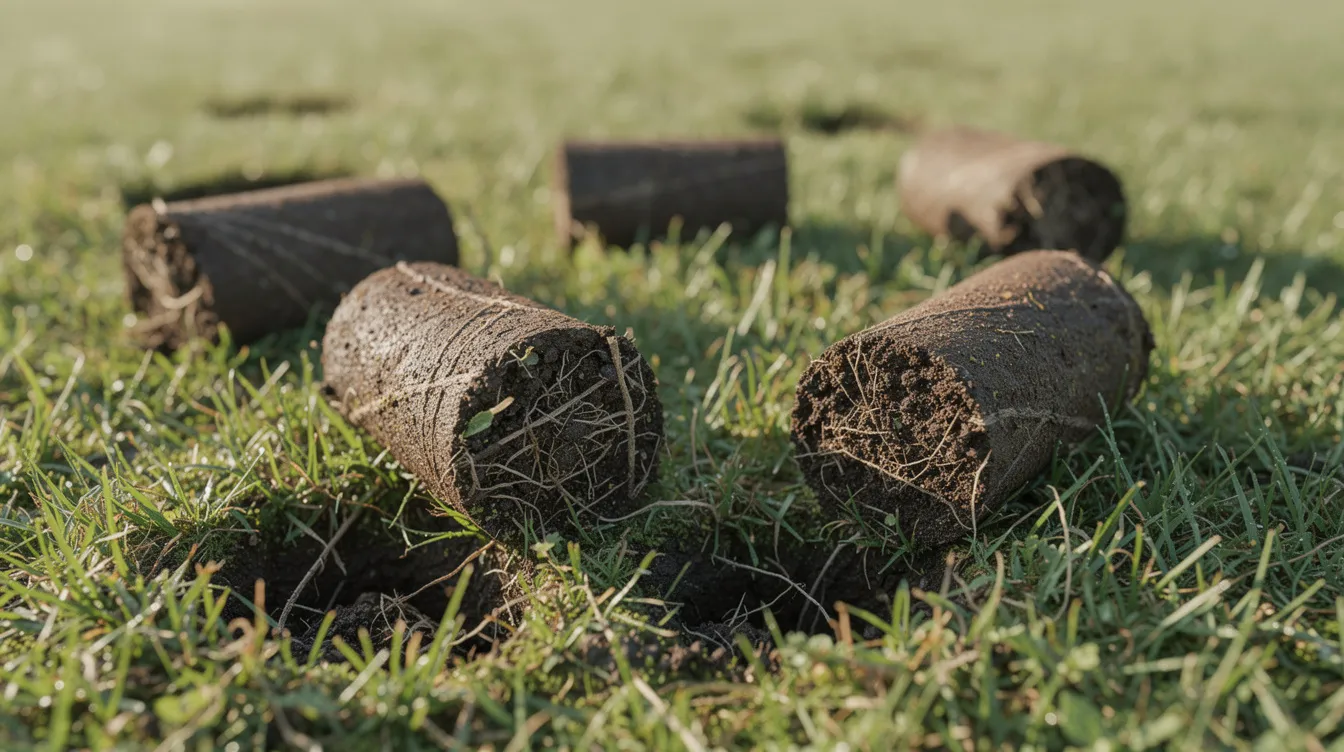
Core aeration explained: This fantastic process removes small plugs of soil (typically 2–3 inches deep) to improve airflow, water penetration, and fertilizer uptake. While fall is generally the best time to aerate cool season grasses in Northern Virginia, badly compacted or heavily used lawns benefit from a light spring aeration as well.
Dethatching guidance: If thatch depth exceeds about ½ inch and your lawn feels bouncy underfoot, use a dethatching rake or power dethatcher to remove the excess organic layer. Pair aeration with overseeding and a quality starter fertilizer, especially where lawns are thin from winter damage or pet wear.
Precision Lawn & Landscape handles professional core aeration services for healthier lawns for both residential and commercial properties, ensuring proper depth and complete coverage across your entire beautiful lawn!
Test and Improve Your Soil
Most Northern Virginia lawns sit on acidic, clay-heavy soil that benefits tremendously from testing and amendments every few years. Without knowing your soil’s current condition, you’re essentially guessing at what your grass needs—and we can do better than that!
How to collect a sample:
- Pull samples from 4–6 spots across your lawn at 4–6 inches deep
- Mix samples together in a clean container
- Send to Virginia Cooperative Extension or a reputable soil lab before major fertilizing begins
Key results to review:
| Measurement | Ideal Range | Action If Off |
|---|---|---|
| pH level | 6.0–7.0 | Below 6.0: apply lime; above 7.0: add sulfur or organic matter |
| Organic matter | 3–5% | Low: incorporate compost or topdressing |
| N-P-K levels | Varies | Follow lab recommendations for turfgrass |
Incorporating compost or topdressing improves soil health and drainage in dense clay lawns, especially in low spots that hold water after rain.
Precision Lawn & Landscape can interpret soil test results and build a customized annual fertilization and amendment plan as part of our full lawn care and landscaping services in Northern Virginia for home lawns and commercial sites throughout our service area!
Prevent and Control Spring Weeds
Spring weeds in Northern Virginia include annual grasses like crabgrass, broadleaf invaders like dandelions and clover, and winter annuals such as chickweed and henbit. Early control matters because weeds compete with actively growing grass for nutrients, water, and sunlight—and they spread weed seeds that cause problems for years to come!
Pre emergent timing is absolutely critical:
- Apply before soil temperatures consistently reach the mid-50s°F (often late March through early April in our region)
- Pre emergent herbicides create a chemical barrier that stops weed seeds from germinating
- Common active ingredients include dithiopyr, pendimethalin, and prodiamine
If you plan to overseed: You must choose a seed-safe pre emergent product or delay weed control until new grass establishes. Standard pre emergent herbicides prevent weeds but also block grass seed germination.
Post emergent herbicides: For broadleaf weeds like dandelions and clover that appear in April and May, apply targeted post emergent herbicides following label directions. Spot-treating problem patches rather than blanket spraying reduces chemical use and protects beneficial organisms.
A thick, well-fed lawn remains the best long-term weed prevention strategy! Precision Lawn & Landscape offers season-long weed and feed programs designed to prevent weeds and eliminate weeds that break through, helping you maintain weed-free perfection throughout the growing season.
Fertilize for Strong Spring Growth
After winter dormancy, grass in Northern Virginia needs balanced feeding timed to early active growth—not simply the first warm day. Rushing to feed your lawn before it’s ready wastes nutrients and can encourage disease.
Timing your spring application:
- Wait until the lawn has been mowed at least once, indicating active growth
- This typically falls in late March through April for cool season grasses
- Choose fertilizer based on soil test results, using slow-release nitrogen to avoid growth surges
Regional considerations:
| Grass Type | Fertilization Notes |
|---|---|
| Tall fescue, Kentucky bluegrass, fine fescue | Two main feedings: spring and fall (fall slightly more important) |
| Bermuda grass, zoysiagrass | Wait until fully greened up in late spring before heavy fertilization |
Use a broadcast spreader for even coverage and follow label directions for walking speed and spreader setting overlap. Avoid applying fertilizer when heavy rain is forecast to prevent runoff into storm drains.
Precision Lawn & Landscape offers comprehensive annual fertilization programs for residential neighborhoods and office parks and can pair them with professional lawn aeration service in Manassas, ensuring perfect timing and product selection for a healthy lawn year-round!
Overseed Thin Areas and Repair Bare Spots
Winter salt, pets, foot traffic, and disease create bare patches that invite summer weeds if not repaired during spring lawn care season. Addressing these thin lawn areas early produces dramatically better results than waiting!
Repair process:
- Rake damaged spots vigorously to loosen soil and remove dead grass
- Level the area if necessary, adding topsoil to depressions
- Select high-quality grass seed—tall fescue blends work wonderfully for most Northern Virginia lawns
- Spread seed evenly at 4–6 pounds per 1,000 square feet for overseeding
- Lightly rake to cover seeds with approximately ¼ inch of soil
- Gently tamp or walk over seeded areas to ensure good seed-to-soil contact
Timing considerations:
- Early spring (March–April) works perfectly for small patches and thin areas
- Fall (September–October) remains the ideal window for larger renovations of cool season grasses
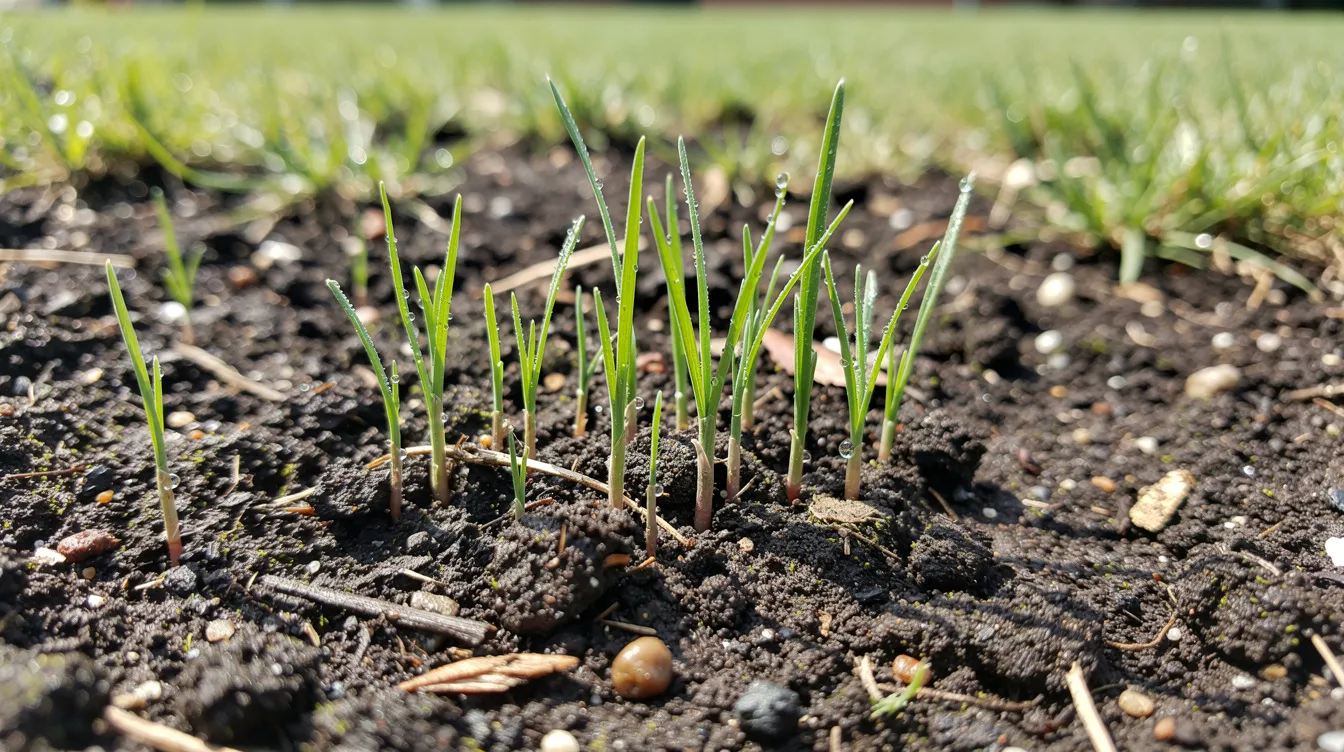
- New grass seedlings need consistent moisture—water seeded areas lightly once or twice daily for 2–3 weeks until established
Precision Lawn & Landscape handles full overseeding projects from soil prep to aftercare instructions for homes, townhome communities, and commercial campuses throughout Northern Virginia!
Set Up Proper Spring Mowing Habits
Mowing height and frequency influence root depth, drought tolerance, and weed resistance more than many homeowners realize. Establishing proper habits in spring pays tremendous dividends through the summer months!
Height recommendations for northern lawns:
- Maintain tall fescue at 3–4 inches during spring and summer
- This height shades soil, crowds out weed growth, and encourages deeper roots
- Taller grass blades also retain moisture better during dry spells
The one-third rule: Never remove more than one-third of the grass blade in a single mowing. If your lawn reaches 5 inches, don’t cut below 3.5 inches. Violating this rule stresses turf and weakens the root system.
Mowing frequency and technique:
- Early spring may require mowing every 7–10 days
- Frequency increases as growth speeds up with late spring warmth and rainfall
- Leave grass clippings on the lawn (mulch mowing) to recycle nutrients unless clumps form and smother turf
- Sharp blades reduce disease risk and brown tips—sharpen at least once per season before spring mowing starts
Busy homeowners and property managers can consider Precision Lawn & Landscape’s recurring mowing and maintenance plans to keep height and schedule perfectly consistent throughout the growing season!
Edge, Mulch, and Refresh Landscape Beds
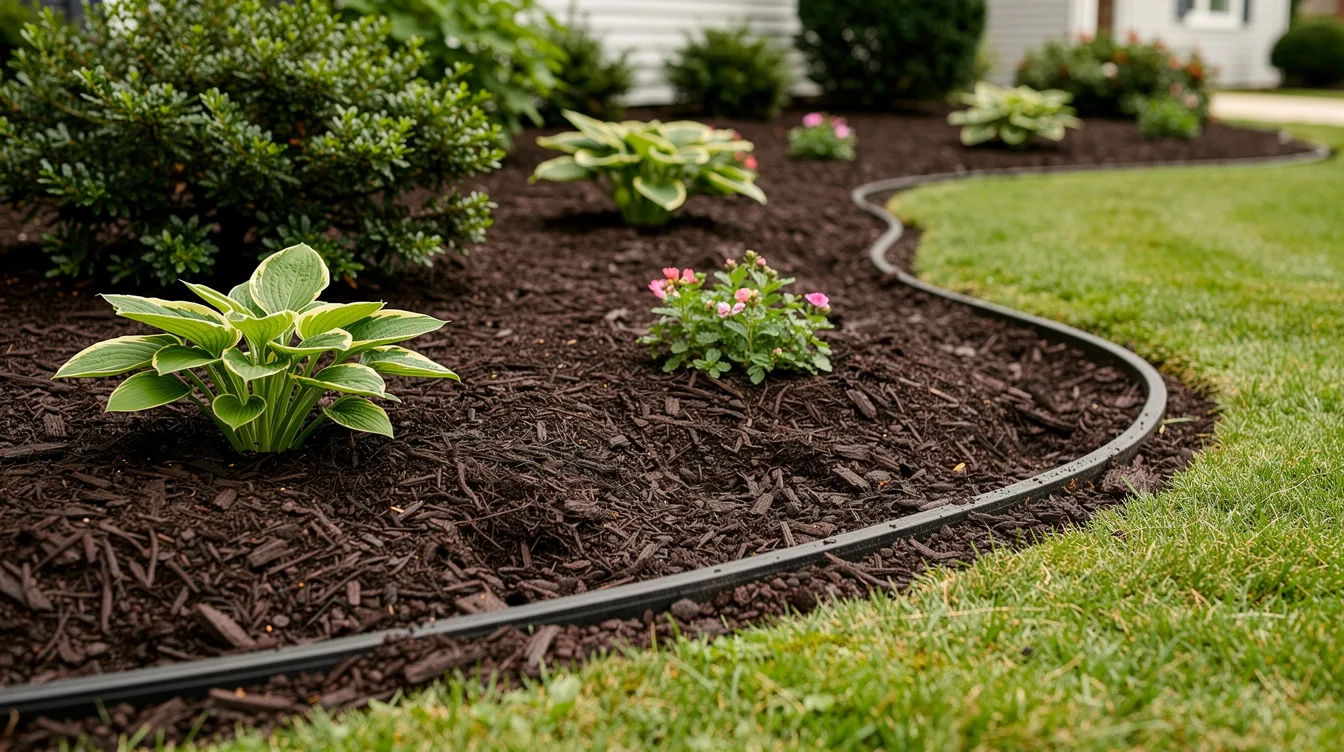
Crisp edges and fresh mulch dramatically boost curb appeal for homes and commercial entrances each spring. These finishing touches frame your gorgeous lawn and create a polished, professional appearance.
Edging technique:
- Create clean edges in March or April using a half-moon edger or spade
- Cut a 2–3 inch deep, V-shaped trench between turf and beds
- Remove soil and roots cleanly to prevent grass from creeping into flowering plants and shrubs
Mulching best practices:
- Pull winter annual weeds from beds before applying new mulch
- Apply 2–3 inches of shredded hardwood mulch once soil has warmed
- Keep mulch pulled back a few inches from tree trunks and shrub stems to prevent rot
Benefits of proper mulching:
- Moisture retention during dry periods
- Soil temperature moderation through hot and cold swings
- Reduced weed pressure around plants
Use clean soil from edging to fill low spots or add to compost, but avoid recycling soil containing aggressive weed roots; homeowners in Prince William County can also pair this with professional landscaping services in Woodbridge for a fully refreshed yard.
Precision Lawn & Landscape offers bed edging, mulching, and seasonal color plantings for residential front yards and commercial foundations across Northern Virginia, including full-service lawn and landscaping in Dumfries, VA!
Watch for Pests and Grubs
White grubs and other turf pests often begin causing underground damage in late spring, eventually showing up as thinning, easily lifted turf that rolls back like a rug. Early detection prevents extensive damage!
How to check for grubs:
- Cut a small square of turf (approximately 1 square foot)
- Peel it back to expose the root zone
- Look for white, C-shaped larvae
- More than 5–10 grubs per square foot typically warrants treatment
Timing grub control: Apply preventive grub products in late spring before peak grub feeding begins later in the season. Always follow product labels for application rates and timing specific to our region.
Other pests to monitor: Watch for chinch bugs or sod webworms during warm months if you notice irregular brown patches not caused by drought. These pests feed on grass and can cause significant damage if left untreated.
Improper identification wastes time and money on ineffective treatments. Contact Precision Lawn & Landscape for accurate diagnosis and targeted treatment when pest problems arise!
Watering Strategy for Late Spring and Early Summer
Early spring in Northern Virginia often provides sufficient rain, but by late spring homeowners need a smart plan for consistent moisture as temperatures rise and rainfall becomes less predictable.
Watering guidelines:
- Weekly total: About 1 inch (rain plus irrigation)
- Frequency: Once or twice weekly, deeply
- Best timing: Morning before 10 a.m.
- Measurement: Use rain gauge or straight-sided can
Why deep and infrequent works: Watering deeply encourages roots to grow downward seeking moisture, creating a more drought-tolerant lawn. Daily light sprinkling keeps roots shallow and dependent on constant water.
Special considerations:
- Morning watering reduces evaporation and disease pressure compared with evening watering
- New grass seed and sod require a different schedule with more frequent, lighter watering until roots establish
- Adjust as ground conditions and weather patterns change
Precision Lawn & Landscape can help adjust irrigation system timing and coverage or design new systems with our expert irrigation services for healthy, lush lawns for large residential and commercial properties!
When to Call Precision Lawn & Landscape
While homeowners can handle many spring tasks themselves, complex issues or large properties benefit from professional care and expertise.
Scenarios where professional help makes sense:
- Persistent bare spots that return despite repeated repair attempts
- Recurring weeds despite pre emergent and post emergent treatments
- Compacted clay soil across most of the yard
- Drainage problems with standing water after rain
- Inconsistent color or growth on large commercial grounds
- Major lawn renovation or grass type transition projects
Backed by a trained team and long-standing reputation in our community, we bring the same professionalism described on our About Precision Lawn & Landscape page to every visit.
Spring services available:
- Full-property cleanups including debris removal and bed maintenance
- Mechanical aeration and overseeding with premium seed blends
- Custom fertilization and weed control programs
- Professional mulching and edging
- Seasonal color plantings
- Hardscape tune-ups and maintenance
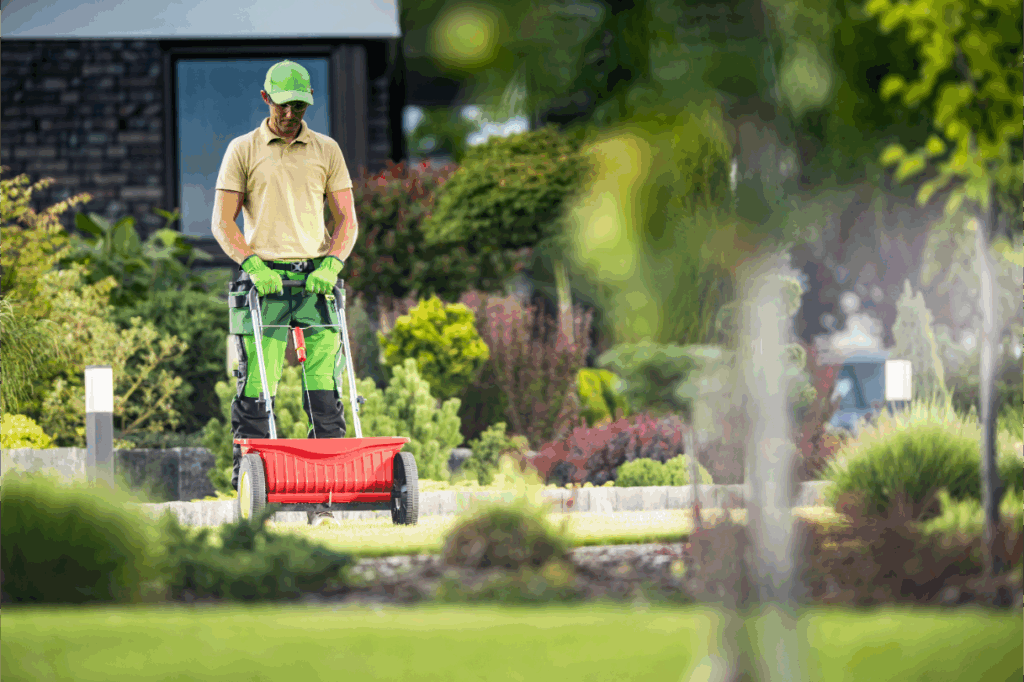
Service area: Woodbridge, Manassas, Dumfries, and surrounding Northern Virginia communities.
Schedule spring services in late winter or very early spring to secure preferred dates before the busy season fills contractor calendars. Precision Lawn & Landscape provides start-to-finish property care with a satisfaction guarantee for both residential and commercial clients.
Ready to give your lawn the professional attention it deserves this spring? Contact Precision Lawn & Landscape today at (703) 493-1811 to discuss your lawn care needs and schedule services before the rush begins!