Key Takeaways
- Cool season grasses in Northern Virginia (tall fescue, Kentucky bluegrass, perennial ryegrass) perform best at 3–4 inches; warm season grasses like zoysia thrive at 2–3 inches.
- Follow the one third rule: never remove more than one-third of the grass blade in a single mowing to prevent stress and browning.
- Raise your mower height in hot weather (June–August) and lower slightly for your final fall cut before winter.
- Longer grass develops deeper roots, shades out weed seeds, and handles drought better than scalped turf.
- Precision Lawn & Landscape sets and maintains proper cutting height for residential and commercial properties throughout Woodbridge, Manassas, Dumfries, and surrounding Northern Virginia communities.
Why Mowing Height Matters More Than You Think
The right height to cut grass directly affects how deep your roots grow, how well your lawn handles drought, and whether weeds take over. Research shows that grass maintained at proper heights develops roots 2–3 times deeper than short-mowed turf, giving it access to subsoil moisture during dry spells.
Scalping your lawn—cutting too low into the crown—weakens the grass plant and exposes soil to heat. This creates ideal conditions for crabgrass and other weeds to germinate. Studies indicate that lawns mowed too short experience 50–70% higher weed invasion rates.
Slightly taller grass blades shade the soil, conserve moisture, and crowd out weeds naturally. There’s no single perfect number for every yard; the ideal height depends on your grass type, season, and sun exposure.
Best Mowing Heights by Grass Type
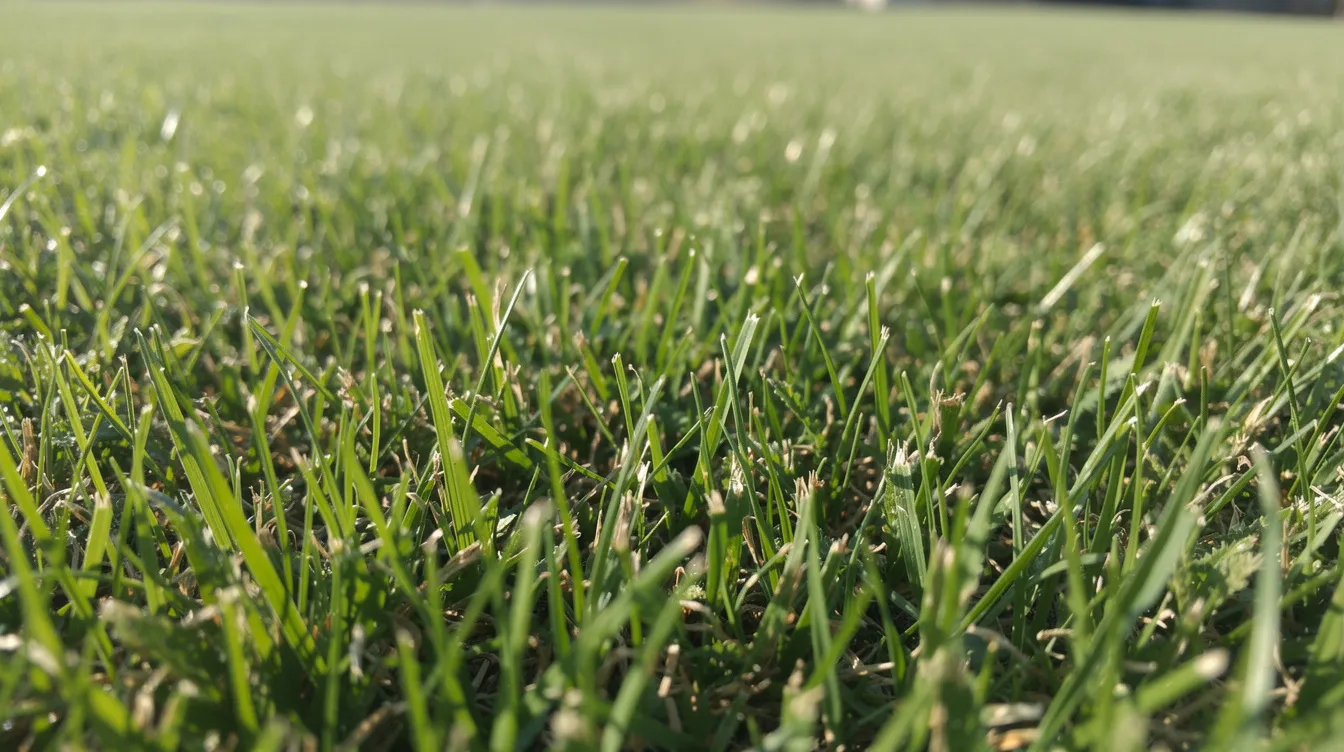
Northern Virginia sits in a transition zone where cool season grasses dominate, though some commercial or sun-baked areas may feature warm season varieties. Here’s a grass cutting height chart for the most common types:
| Grass Type | Recommended Height |
|---|---|
| Tall fescue | 3–4 inches |
| Kentucky bluegrass | 2.5–3.5 inches |
| Perennial ryegrass | 2.5–3.5 inches |
| Fine fescue (shade) | 3–4 inches |
| Zoysia | 2–3 inches |
| Bermuda (athletic areas) | 1–2 inches |
For most home lawns, the taller end of the range is safer during heat and drought. Shorter cuts require more frequent lawn mowing and irrigation. Precision Lawn & Landscape identifies each type of grass on site and sets mower height accordingly.
The One-Third Rule: How Often to Mow
The one third rule is the foundation of a healthy lawn. Never remove more than one-third of the current height in a single pass. For example, if your grass is at 4.5 inches, mow down to 3 inches—not 2 inches.
Removing too much at once shocks the grass plant, reduces photosynthesis, and causes yellowing. During rapid spring growth, you may need to mow every 4–7 days. In summer drought, you can stretch to 10–14 days. If your lawn has gotten too tall, lower gradually over 2–3 mowings rather than one drastic cut.
Seasonal Mowing Heights in Northern Virginia
Our climate—cold winters, humid summers, variable rain—means your cutting height should change slightly by season.
Spring: Wake-Up Cut and Rapid Growth (March–May)
The first mow in Northern Virginia typically happens between mid-March and early April. Start cool season lawns around 3 inches to clear winter debris and encourage dense new grass growth.
During late spring, expect weekly mowing as mild temperatures and rain accelerate grass growth. Avoid scalping to “clean up” after winter—this stresses turf and invites spring weeds.
Summer: Heat and Drought Defense (June–August)
Northern Virginia summers bring temperatures in the upper 80s–90s°F. Raise your mower to 3.5–4 inches for cool season grasses during extended heat or dry spells. For zoysia, maintain 2–3 inches; bermuda can stay at 1.5–2 inches if irrigated.
Taller grass provides deeper roots and better moisture retention. Avoid mowing during the hottest part of the day—late afternoon works better for reducing stress.
Fall: Preparing for Winter (September–November)
Cooler nights restart cool season grass growth and allow recovery from summer stress. Maintain heights around 2.5–3 inches through fall. Your final mow in late October or early November can drop slightly lower to reduce winter matting and snow mold risk.
Grass left too tall under wet leaves can develop diseases and bare patches by spring. Fall overseeding and fertilizer applications work best at this height range.
Mower Setup: Getting the Height Right on Your Equipment
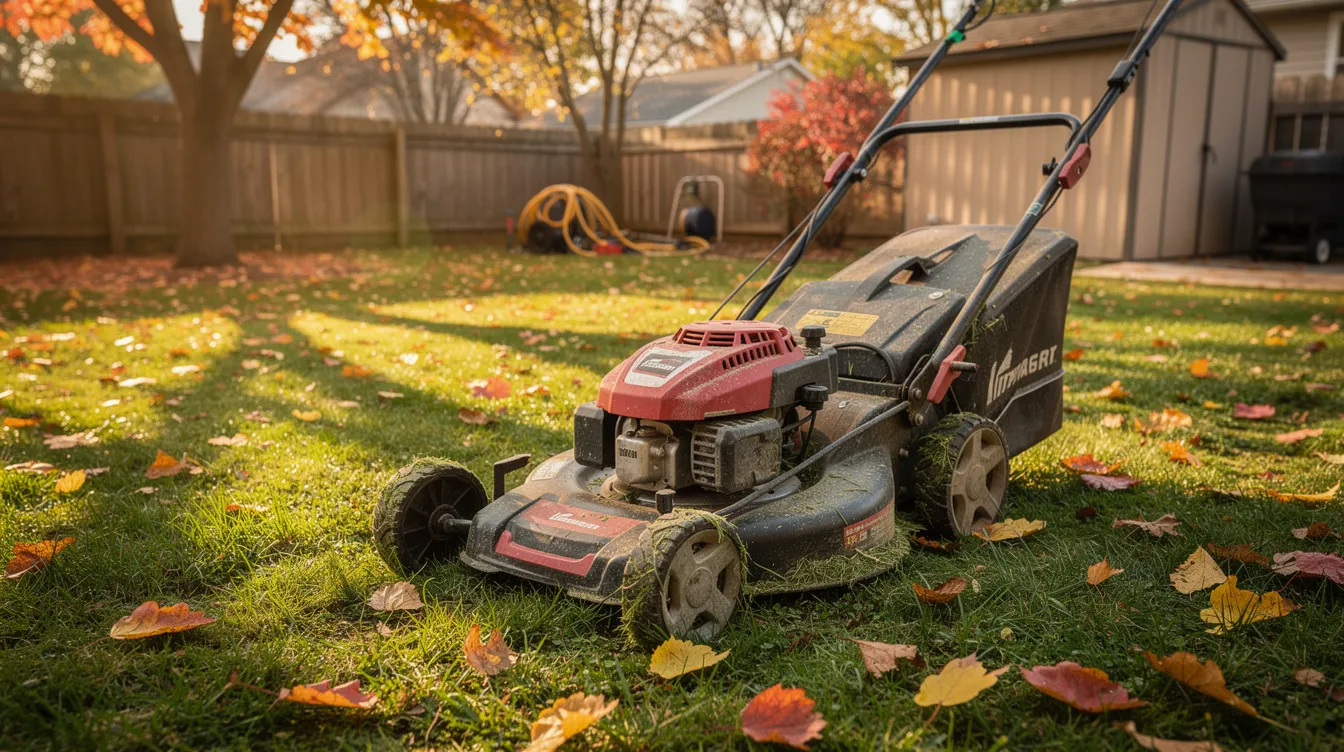
Most homeowners rely on arbitrary mower knob numbers that rarely match actual inches. To check your true cutting height:
- Park on a flat driveway
- Measure from pavement to the blade edge
- Mark your preferred settings directly on the mower (e.g., “Fescue – 3.5””)
Both rotary mowers and reel mowers need this verification. Precision Lawn & Landscape crews calibrate commercial mowers at the shop and verify deck height in the field.
Blade Sharpness, Clippings, and Direction
A sharp mower blade matters as much as correct height. Dull blades tear grass rather than cut it cleanly, creating entry points for diseases like brown patch. Sharpen mower blades at least twice per season—early spring and mid-summer.
Leave grass clippings on the lawn when following the one third rule. They decompose quickly and return nutrients equal to about 25–30% of your lawn’s nitrogen needs. If clippings clump, the grass was too tall—make a second pass or lightly rake.
Change mowing direction periodically to prevent soil compaction and leaning grass.
Common Mowing Height Mistakes We See in Northern Virginia
Many problem lawns share these errors:
- Chronic low mowing to “mow less often”—leads to thin, weedy turf
- Ignoring seasonal adjustments—especially not raising decks in summer heat
- Removing too much at once—violates the one third rule
- Golf course heights on home lawns—cool season grass isn’t bermuda
- Same height everywhere—shade areas need 0.5 inch taller cuts
Correct these gradually over several weeks rather than making sudden changes.
How Precision Lawn & Landscape Can Help
Precision Lawn & Landscape serves Woodbridge, Manassas, Dumfries, and surrounding Northern Virginia communities with full-service lawn maintenance. Our plans include properly calibrated mowing heights for your exact grass mix, seasonal adjustments, and sharp commercial-grade blades.
We also provide fertilization, aeration, overseeding, and landscape design-build services that enhance correct mowing results. Contact us for an on-site evaluation and customized mowing plan for your property. Call (703) 493-1811 to discuss your lawn care needs.hern Virginia. Contact us to schedule an evaluation if you’re seeing new, spreading, or recurring brown spots.

FAQs
Most area lawns are tall fescue blends, often mixed with Kentucky bluegrass or rye. Fescue shows broad blades in clumps; bluegrass has finer texture and spreads via underground runners. Take close-up photos or bring a small sample to a garden center if unsure.
Avoid drastically lowering height before travel—this shocks grass and can leave it brown when you return. Stick close to your normal height or schedule professional mowing while away.
Irrigated lawns tolerate slightly shorter heights due to less drought stress, but should still stay within recommended ranges. Focus more on consistency and the one third rule than minor irrigation adjustments.
No—shade areas actually need taller grass (about 0.5 inch higher) because blades need more surface area to capture limited sunlight. Persistent shade problems may require tree pruning or shade-tolerant groundcovers.
Most cool season lawns stop active growth by late October or early November. Continue mowing as long as grass grows, with a final cut around 2.5–3 inches before growth ceases.